Julius
Amedume
Julius Amedume is an auteur filmmaker who makes films that move across continents as precisely as they move through the human heart. His work confronts difficult truths, holding a mirror to behaviour while operating at the intersection of intimacy and scale. Entertaining, exacting, and uncompromising, his cinema invites reflection and demands reckoning.
“Cinema found me early and never let me go. I’ve been serving the audience ever since”.
1980s
THE SILENT CLASSROOM
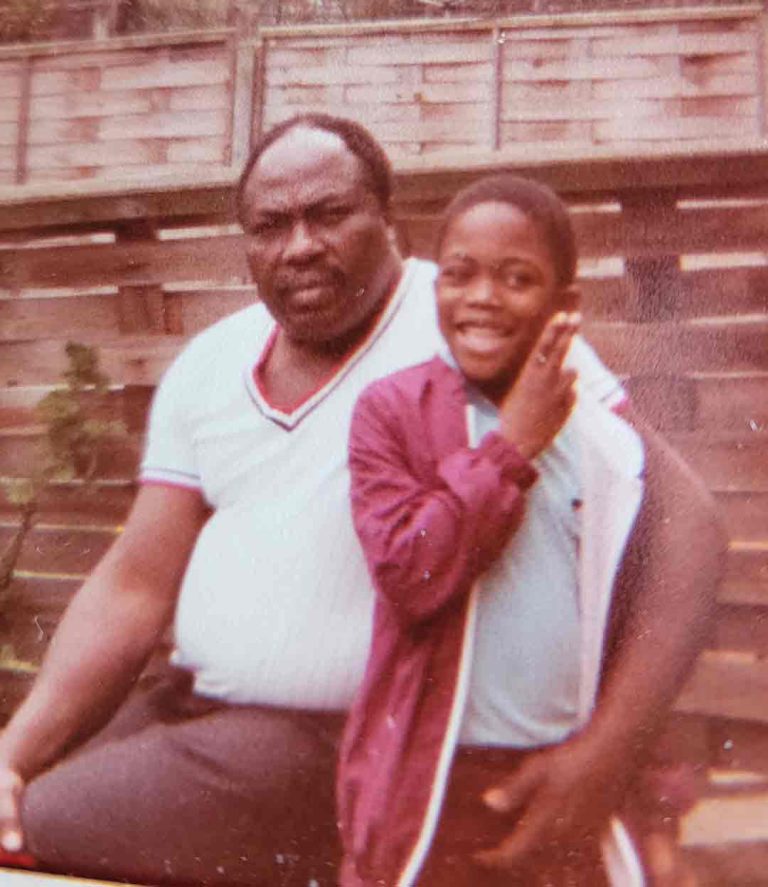
Born the youngest of four, Julius’s education didn’t begin in a schoolhouse, but in the solitude of a childhood confined by illness. Between 1981 and 1984, his father, who worked nights, homeschooled him in mathematics and English each morning until exhaustion took over. Then the afternoons belonged to the cinema. Black-and-white films. Film noir. Classic comedies. Westerns. War films. Musicals. In that flickering light, he learned how silence speaks and how music carries the weight of human emotion.
1990s
From Observer to Creator
1990
By his early teens, Julius was consuming films relentlessly. Pocket money was saved and spent on daily rentals. Every genre. Every release. His tastes became eclectic; his hunger insatiable. Watching film became his homework, and he was learning cinema instinctively: how blocking reveals character, how music carries emotion, how light shapes mood.
Cinema no longer entertained him. It shaped him.
THE FIRST SHORT FILM
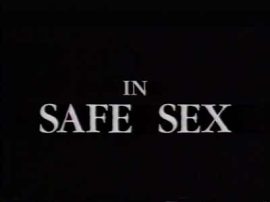
1993 | Safe Sex
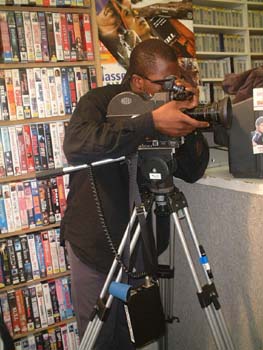
While studying Media Studies, Julius made his first short film, Safe Sex, during a major AIDS awareness campaign at the time. Wanting to speak directly to his own generation, he set out to create something urgent and relevant. When his crew quit during pre-production since they had never made a film before and didn’t know how much work was involved , Julius continued alone. He wrote the script, cast the film, shot and edited it on VHS. The result was raw, imperfect and undeniable — not driven by polish, but by tension, consequence and moral uncertainty.
He had found his calling.
1994
Julius completed a City and Guilds Diploma in Media Techniques, Film, Television, and Video. He trained across camera, lighting, sound, editing, and pre-production, mastering the mechanics that would later serve his instinct
1995
Studying A-Level Media Studies, Julius encountered media theory across film, television, and print. Representation, ideology, power, and audience engagement became part of his creative vocabulary. Thinking and making began to move together.
2000s
ACADEMIC FOUNDATIONS & GLOBAL DEBUT
2000–2002
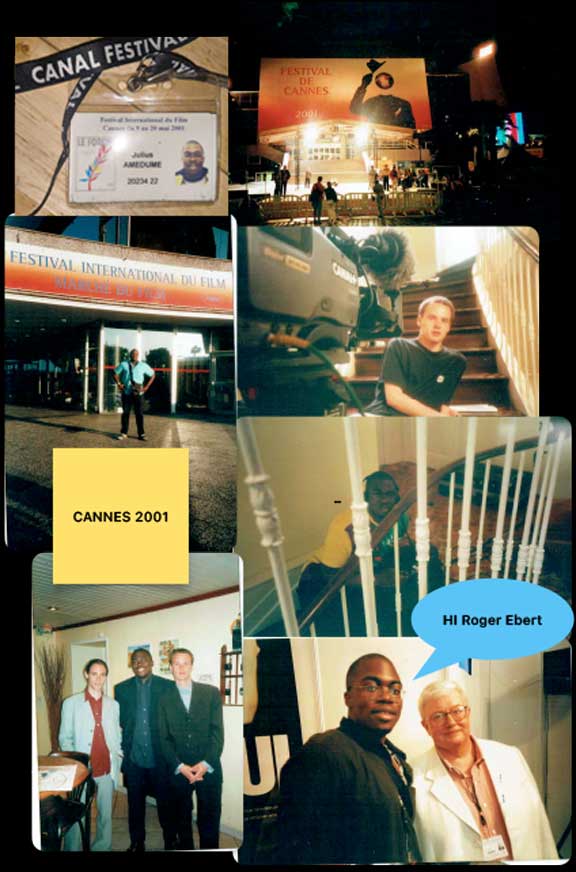
The decade began with a rigorous immersion into the mechanics of a changing industry at Ravensbourne College. While earning his BSc in Communication and Technology, Julius bridged the gap between traditional film and emerging multimedia. This period saw his first international broadcast credit on Canal Plus, where he covered the Cinéfondation Award at the Cannes Film Festival—a first glimpse into the global cinema landscape he would soon inhabit as a creator.
SOCIAL ARCHITECTURE & THE INDEPENDENT LENS
2002–2003
In 2002, Julius established Amedume Films, a production house built on the foundation of independent, socially engaged storytelling. This era was defined by urgent, high-impact shorts which captured a moment of global reflection, and a stark exploration of urban consequence. These award-winning films became tools for dialogue, screening in schools, open prisons and community centers, to reach the very audiences they depicted.
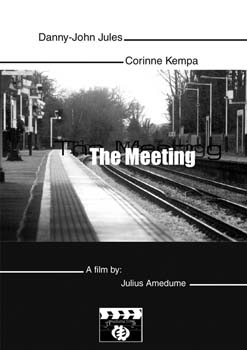
2002 | The meeting
The idea for The Meeting came to Julius while he was waiting for a train, reflecting on the state of the world. The concept stayed with him, and a year later he wrote the script and shot the film over two days in Kent, England. During its festival run, the film went on to win awards for Acting, Cinematography and Screenplay.
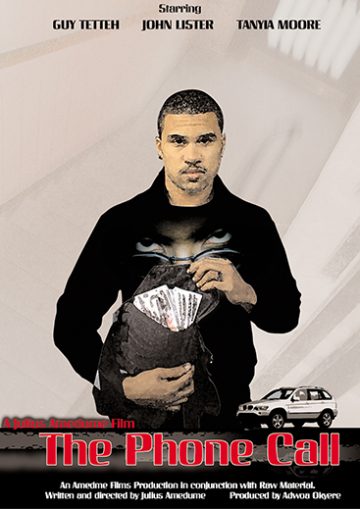
2003 | The Phone Call
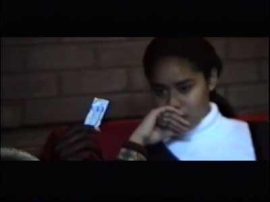
Concern about the rise in Black-on-Black crime and his desire to reach young people directly inspired The Phone Call.
The short film became a national and international success.
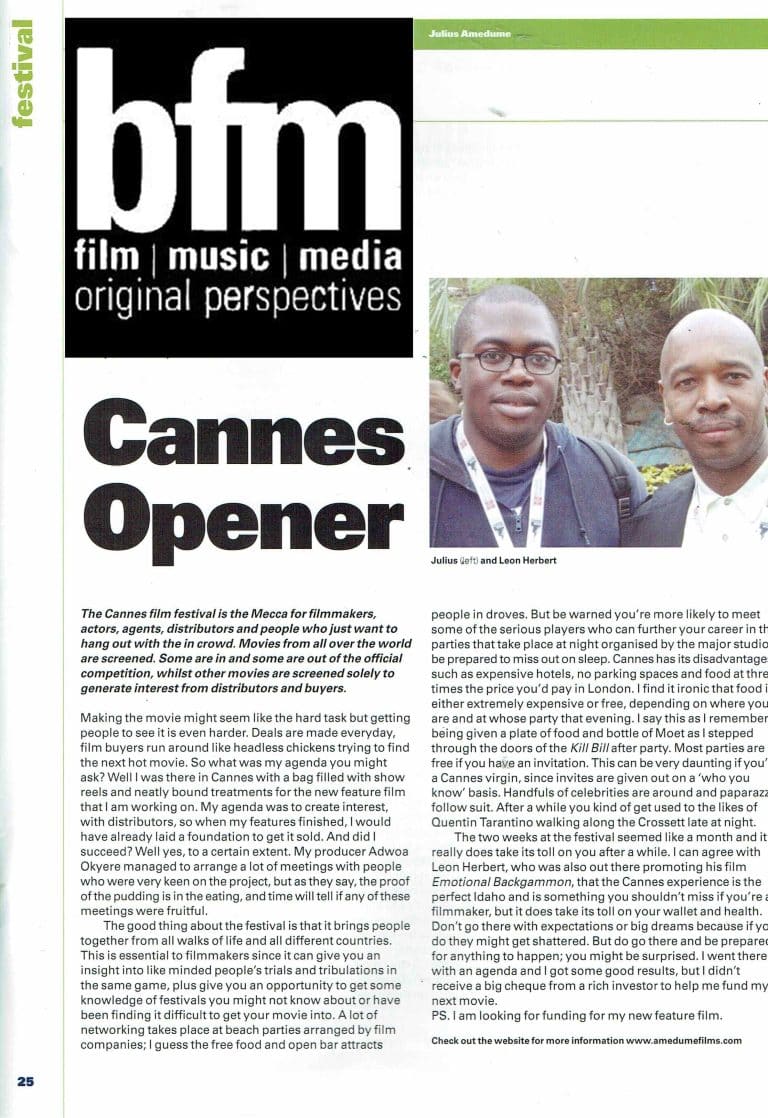
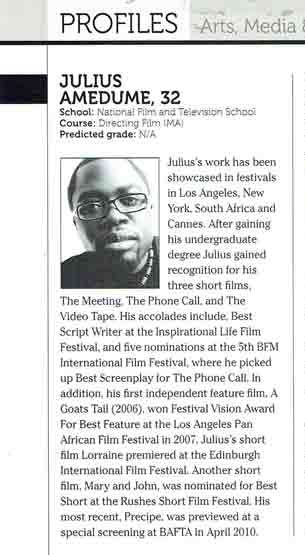
Nominated for five awards, and winner of “Best Screenplay” at the 5th BFM International Film Festival.
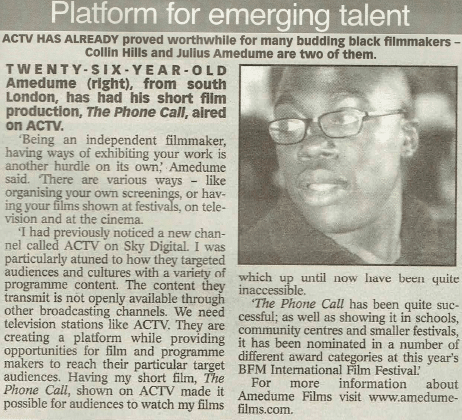
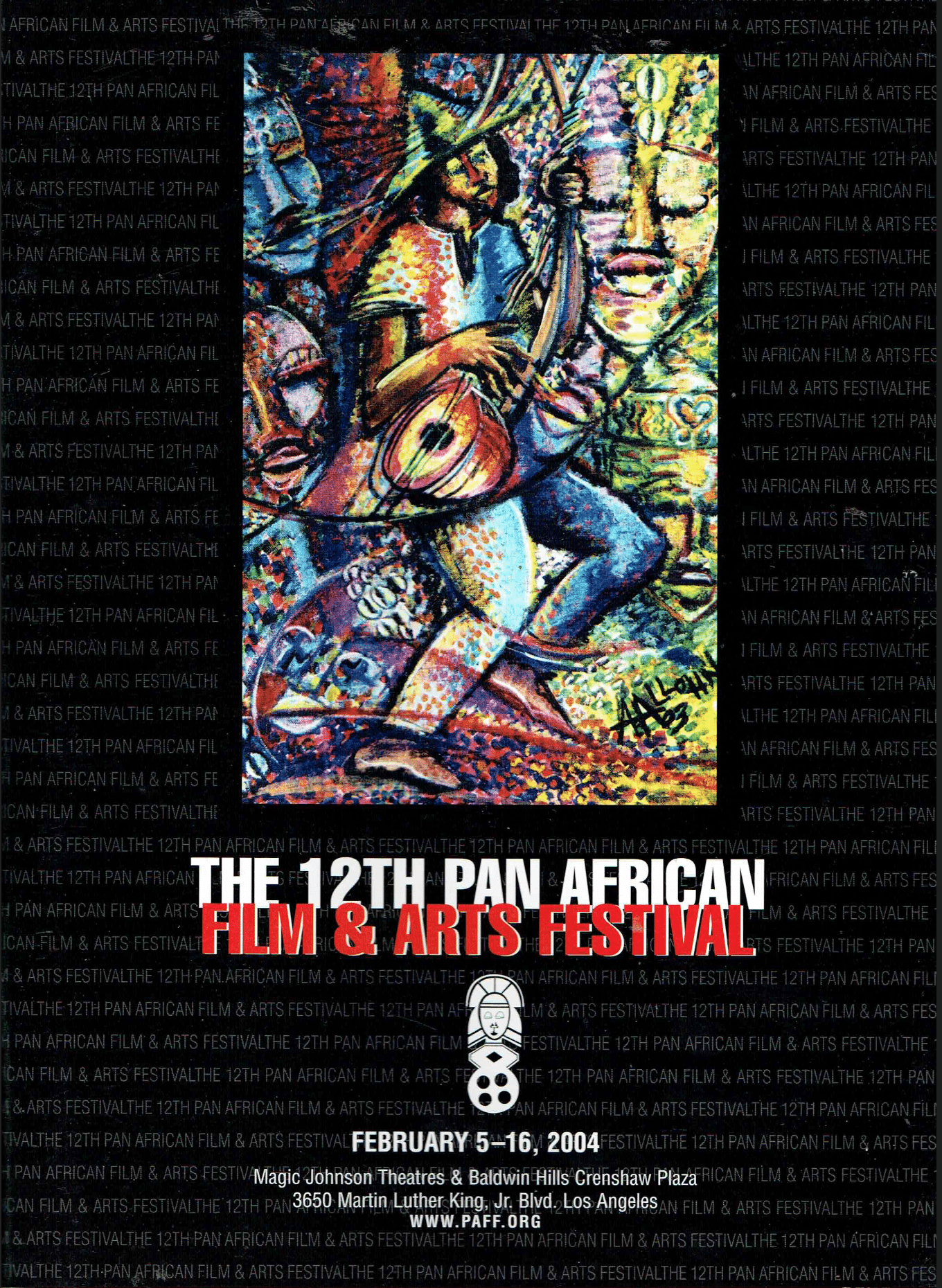
The film was also nominated for Best Short Film at the Pan African Film Festival and was broadcast on Sky’s ACTV to an audience of 800,000.
Julius later used the film as a platform for talks and debates in open prisons, schools, and community centres.
DEEPENING THE CRAFT
2003
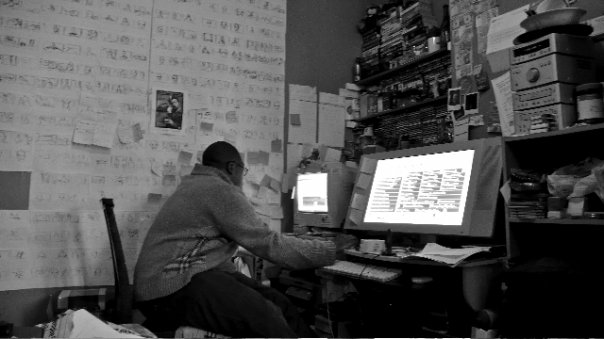
Seeking a more tactile connection to his art, Julius mastered the discipline of 16mm filmmaking, from loading cameras to editing on a Steenbeck.
2003 | The Video Tape
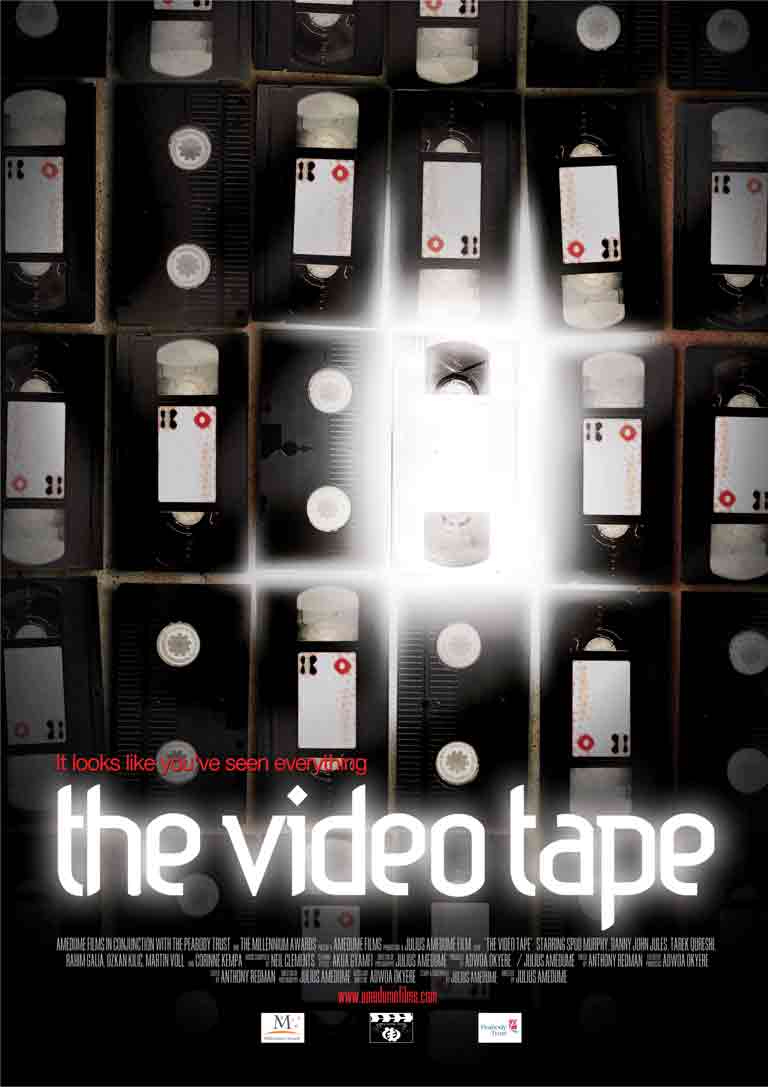
A project funded by the Peabody Trust and the Millennium Award Scheme. This was a socially engaged short film that addressed isolation, obesity and health. This film also marked the first time Julius shot on standard 16mm film, whilst incorporating elements of mixed media.
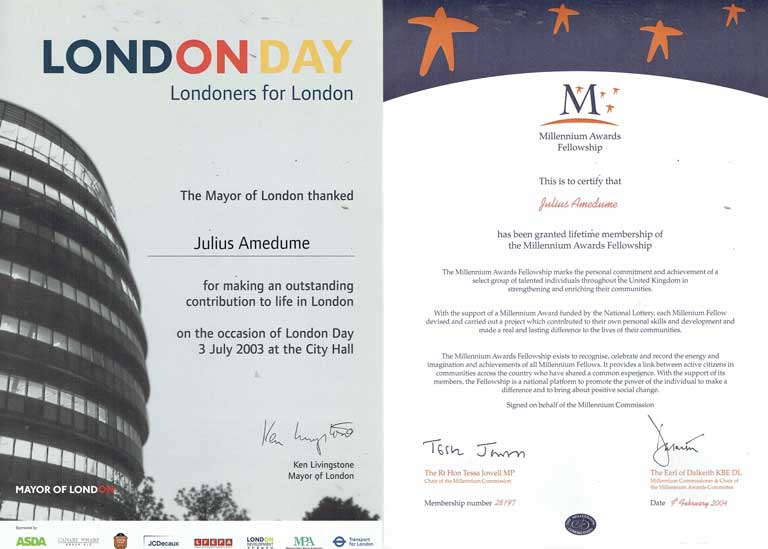
Julius’s ability to blend community-led initiatives with cinematic rigor earned him a Millennium Award and formal recognition from the Mayor of London, marking him as a filmmaker with a civic soul.
CROSS-CULTURAL RESONANCE
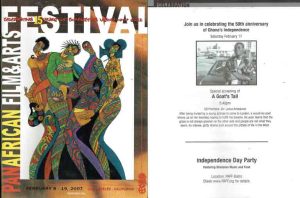
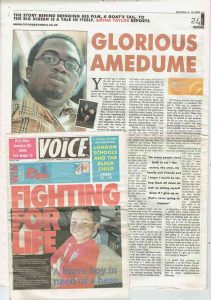
2004 – 2007 A Goat's Tail
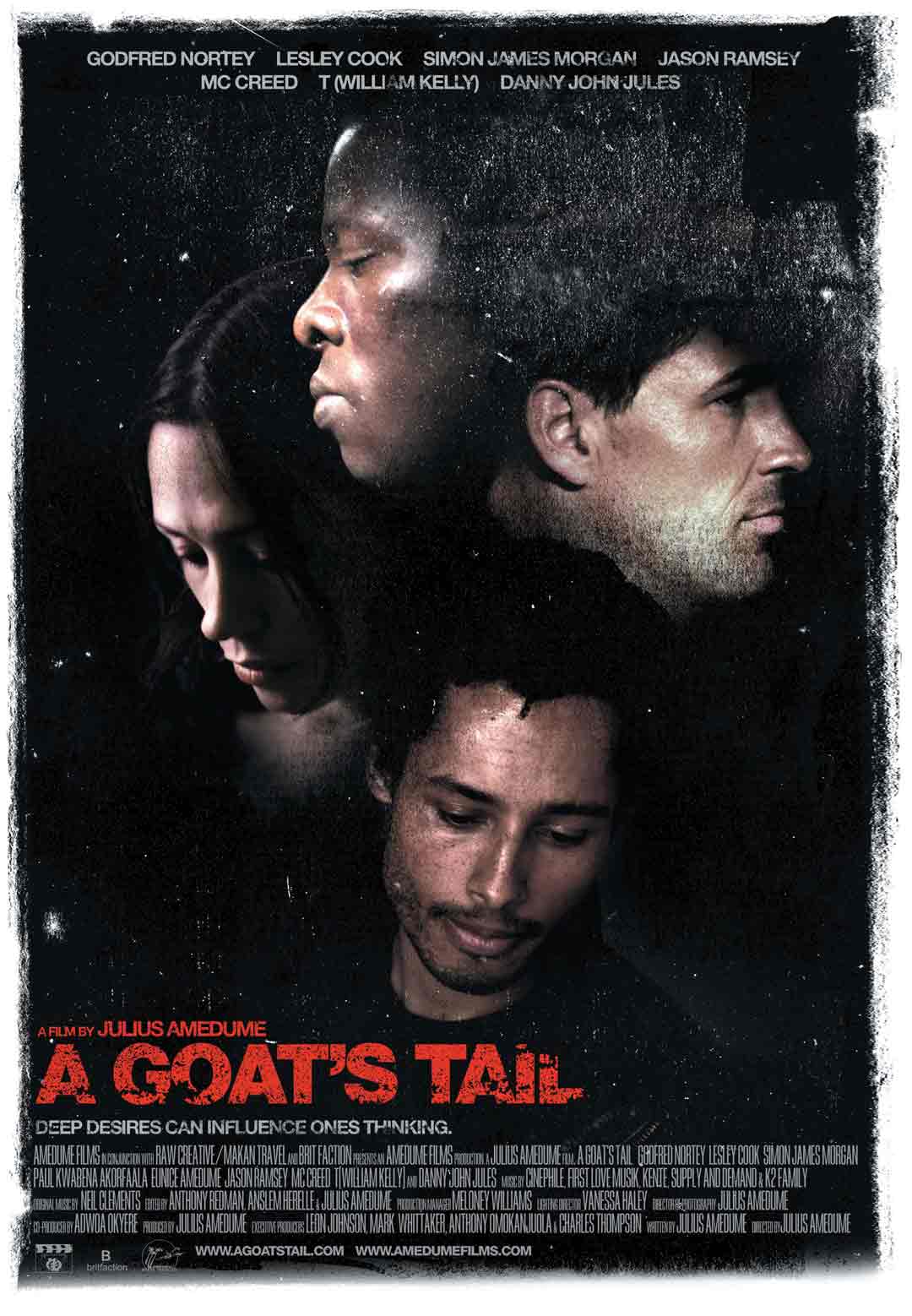
Julius transitioned to the feature-length format with A Goat’s Tail, a cross-cultural crime drama shot between Ghana and the UK. The film explored how personal destiny is shaped by borders and belief systems.
Resonating deeply on the festival circuit and winning the Festival Vision Award at the Pan African Film Festival. By 2007, he was recognized as an “Emerging Voice” in British cinema, receiving nominations from both the Screen Nation and GPA-Ghana Professional Achievement Awards.
THE NFTS & COMMERCIAL SUCCESS
2008
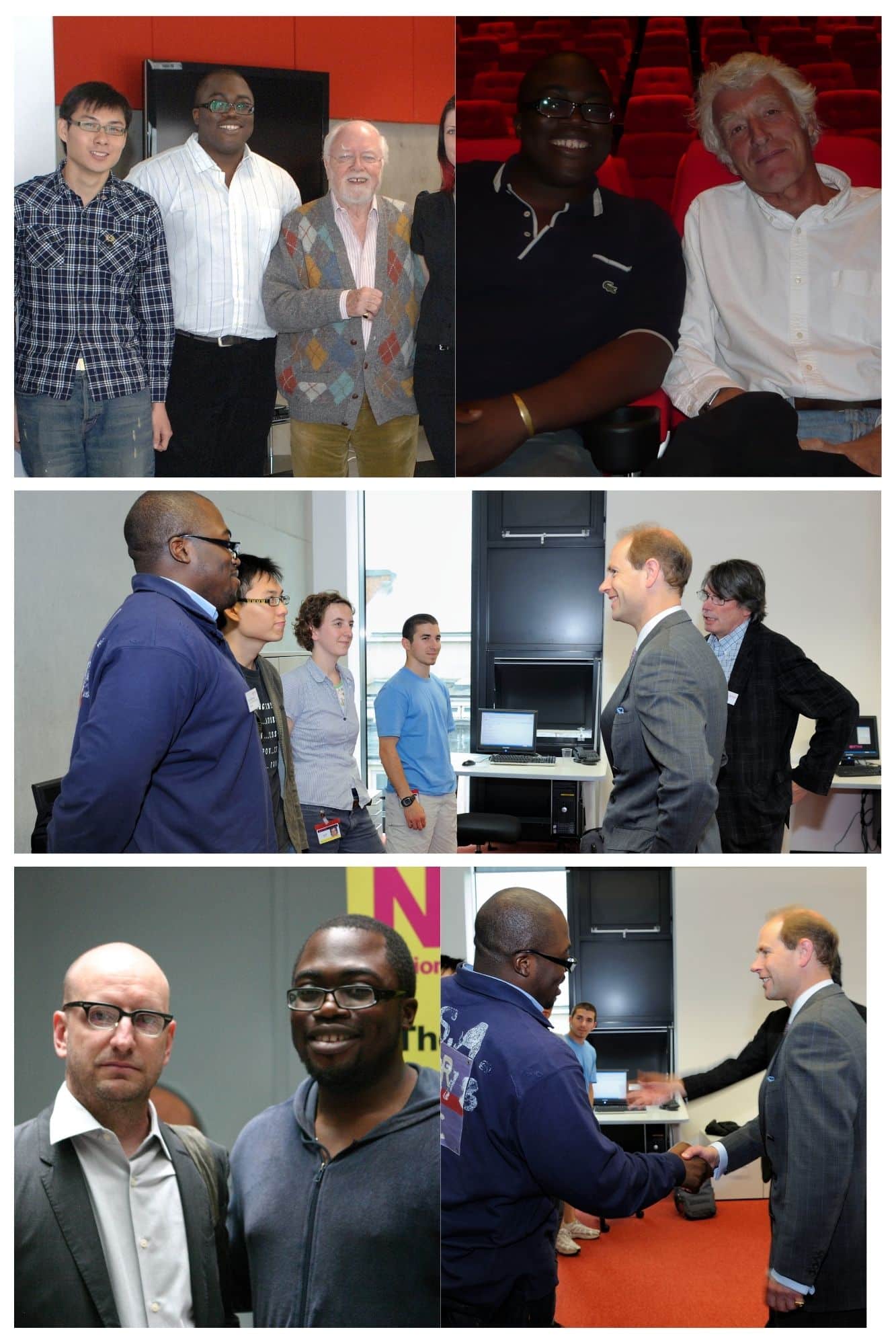
The decade culminated in Julius being selected as one of only eight directors for the MA in Directing Fiction at the National Film and Television School (NFTS), supported by the Duncan Kenworthy Toledo Scholarship. That same year, Julius expanded his reach into commercials, winning first place in the UK for Giorgio Armani.
UNIVERSAL STORIES
2008 | Mary and John
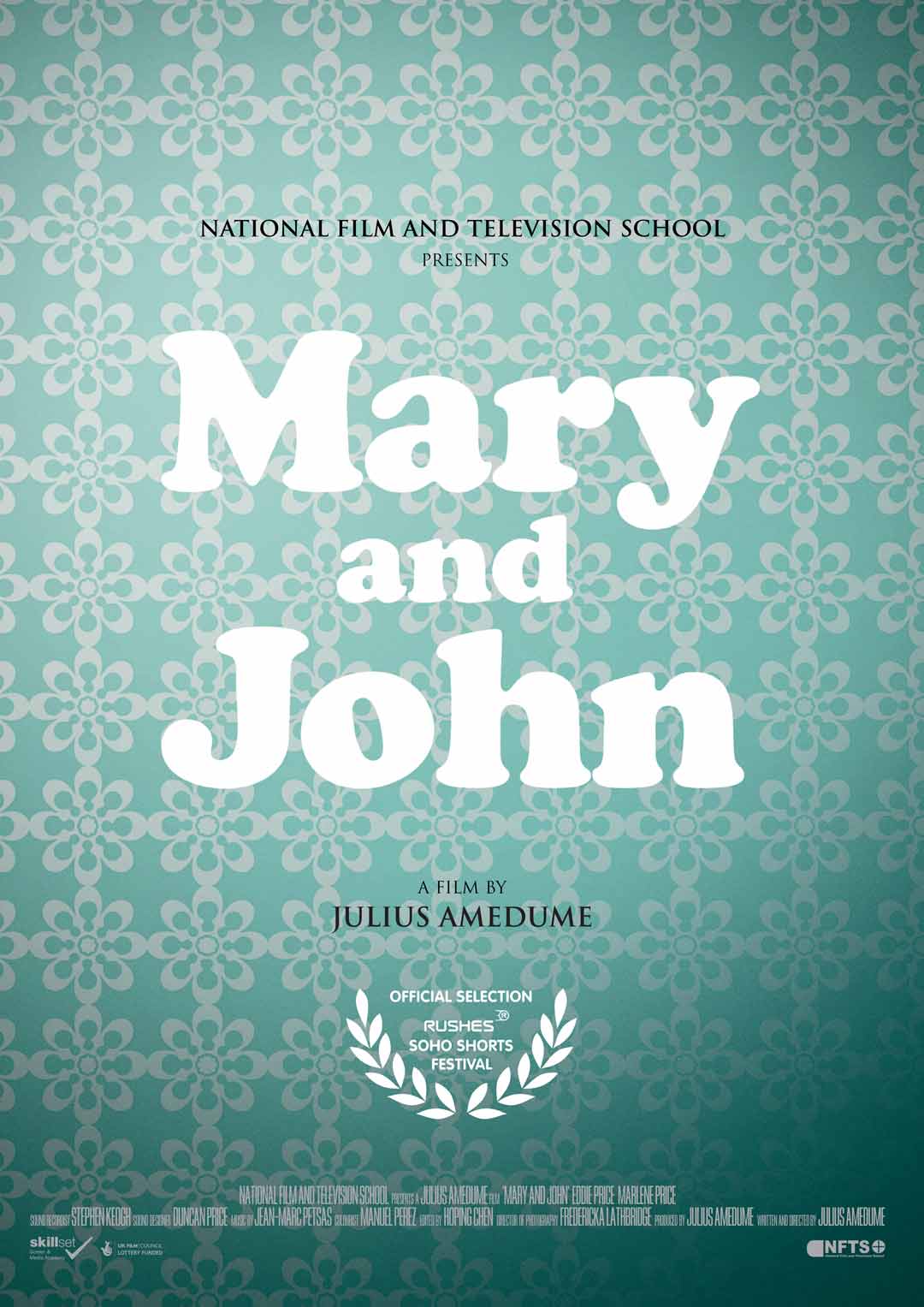
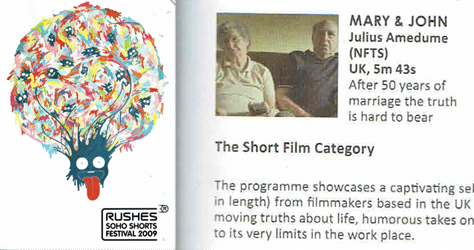
Questions of aging, partnership, and mortality are at the heart of Mary and John, a meditation on what happens to love when time begins to reshape the body. Written and directed by Julius, the film quietly explores how couples endure and adapt when confronted with the inevitable decline of the human spirit and the physical tests of old age.
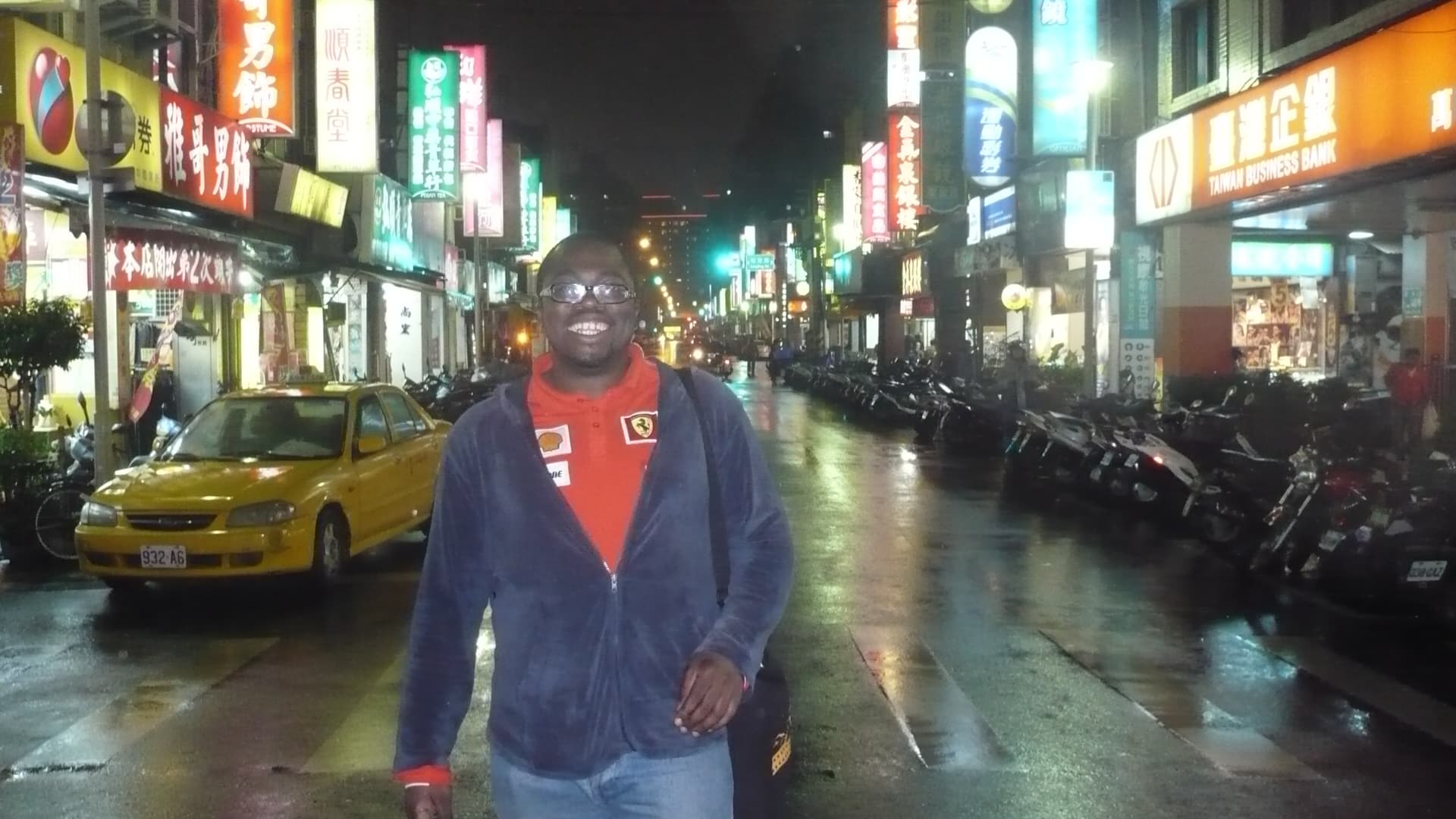
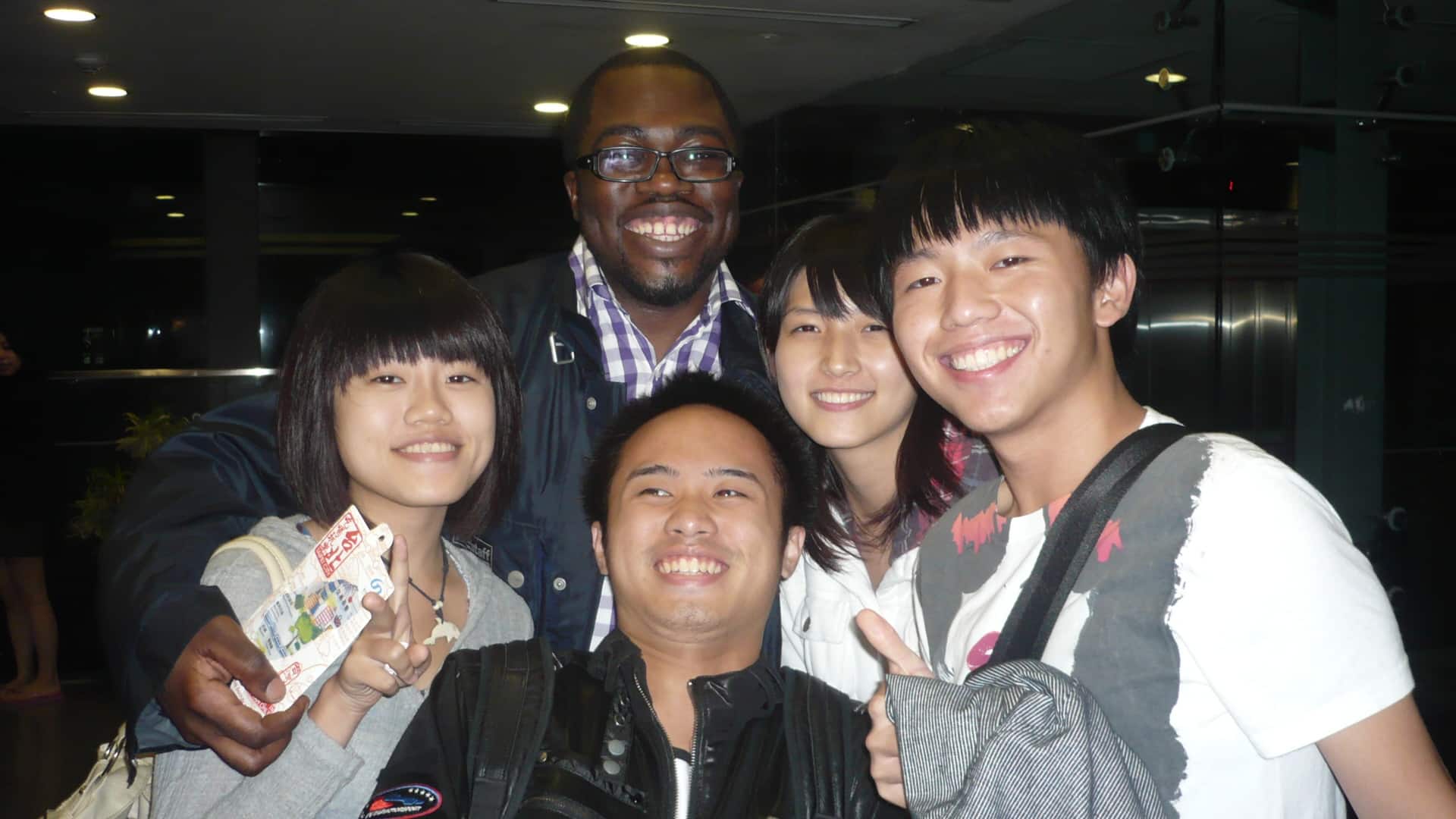
The international impact of the film was solidified when Mary and John received a Golden Lion nomination for Best Short at the 2010 Taipei County Film Festival, following its 2009 nomination at the Rushes Soho Film Festival in the UK. Reflecting on his time in Taiwan, Julius remembers a beautiful country with a vibrant energy and a warmth in its people that made the festival experience especially memorable.
THE ENSEMBLE CHALLENGE
2008 | Lorraine
Based on true events, Lorraine presented significant directing challenges in creating believable group dynamics. Staging and directing up to eight performers on screen at once, Julius focused on maintaining emotional truth, nuance, and clarity within the ensemble.
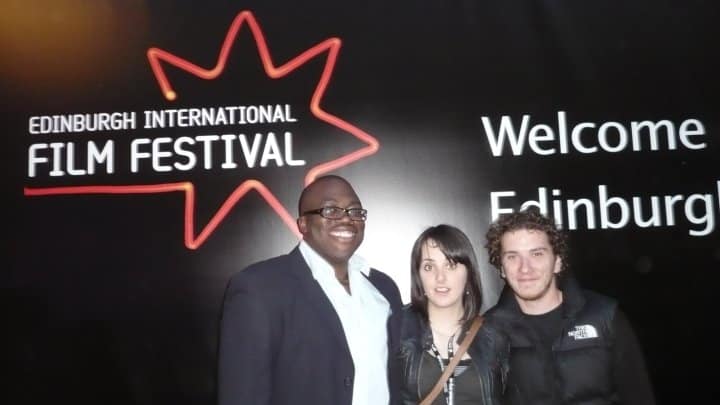
The film’s impact was felt across the festival circuit following the premiere of Lorraine at the 62nd Edinburgh International Film Festival.
It went on to earn a Best Short nomination at the Rushes Soho Film Festival and a Special Mention at the Bermuda International Film Festival, further solidifying Julius’s reputation for handling complex, character-driven narratives.
THE OBJECTIVE LENS
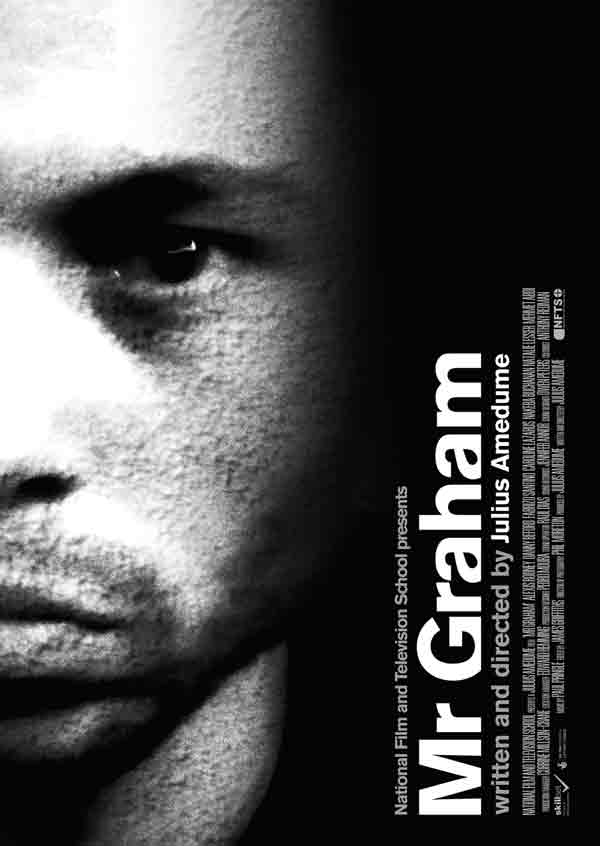
2009 | MR. GRAHAM
Navigating the delicate balance of an unbiased narrative, the production of Mr. Graham became a significant learning curve for Julius, demanding a high degree of objectivity, restraint, and discipline.
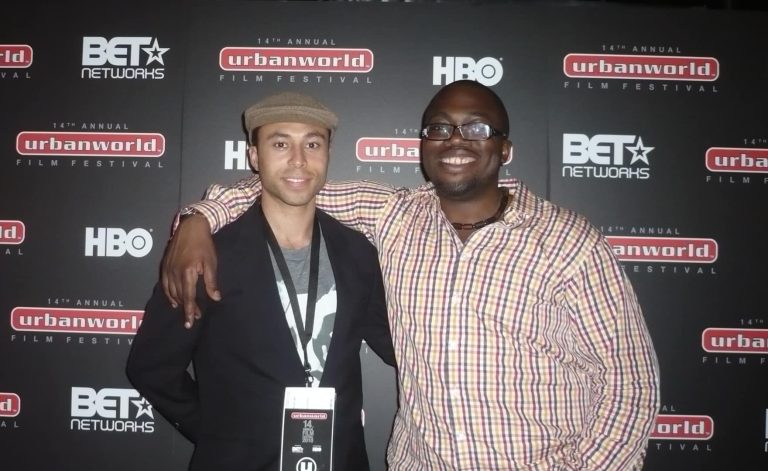
While the process of detached storytelling was challenging, it ultimately sharpened his voice as a filmmaker, leading to Best Short nominations at the inaugural Africa International Film Festival (AFRIFF) and the 14th Urbanworld Film Festival in New York. The film’s impact was further recognized with a Special Mention at the Bermuda International Film Festival, marking a pivotal moment in his growth as a disciplined storyteller.
2010s
GRADUATION, ACCLAIM & RECOGNITION
2010 | PRECIPICE
Precipice was a challenging short film, shot on an extremely low budget over six days. This project marked a significant technical milestone for Julius, as it was the first time he shot on Super 35mm film.
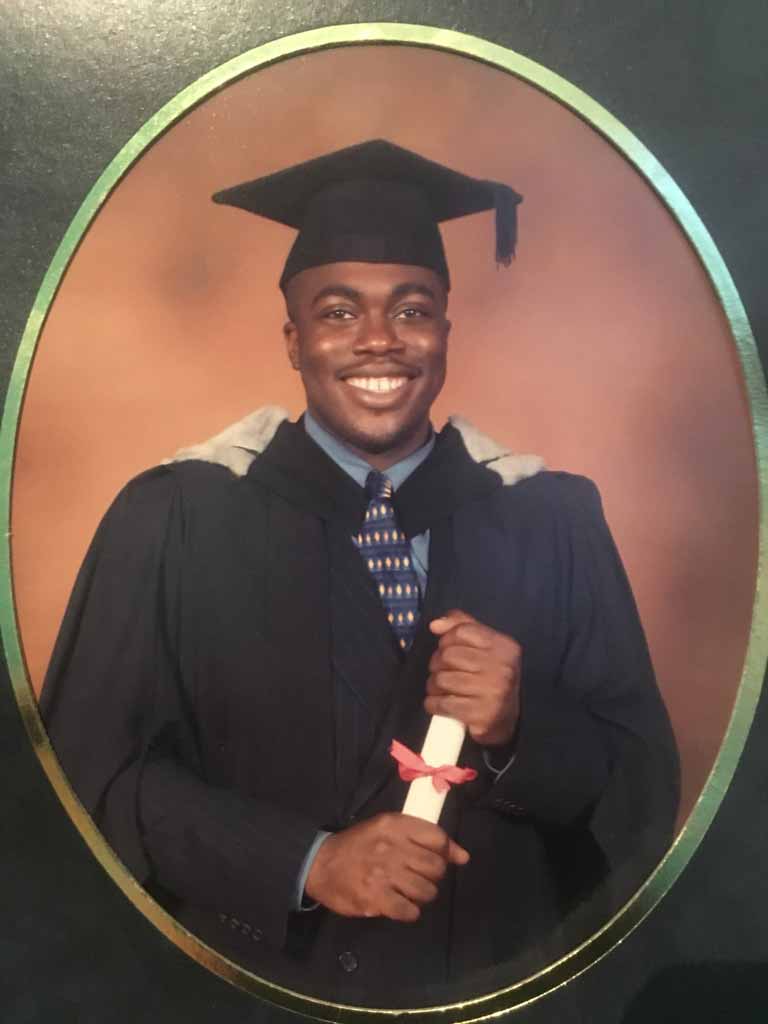
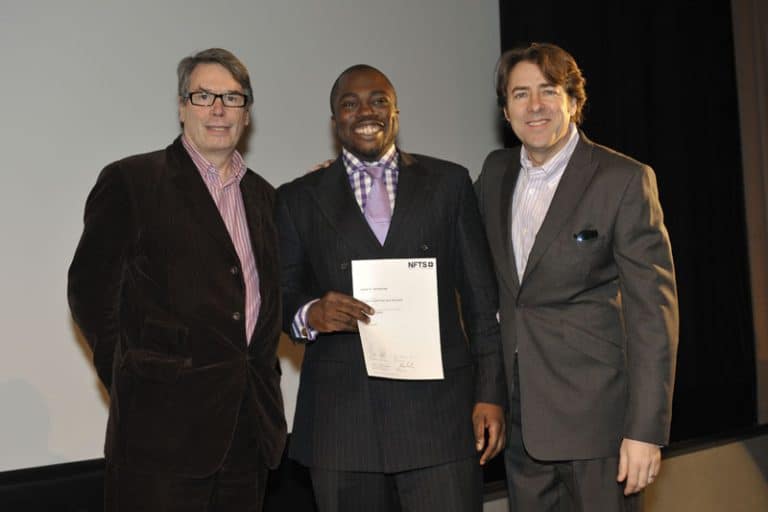
The year 2010 marked a significant academic milestone as Julius graduated with a Master’s (MA) with Distinction in Fiction Directing from the prestigious National Film and Television School. This period of rigorous training solidified his technical foundation and refined his directorial voice.
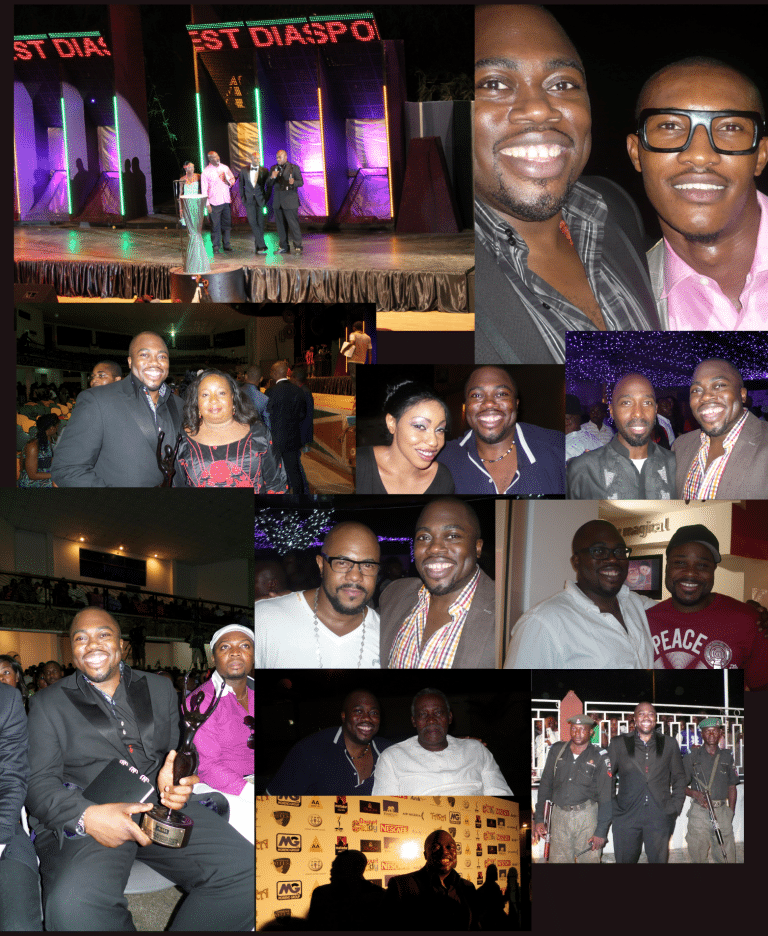
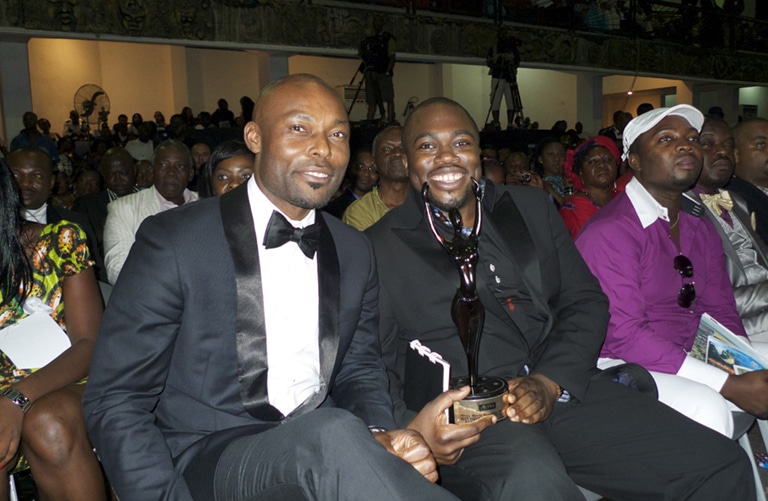
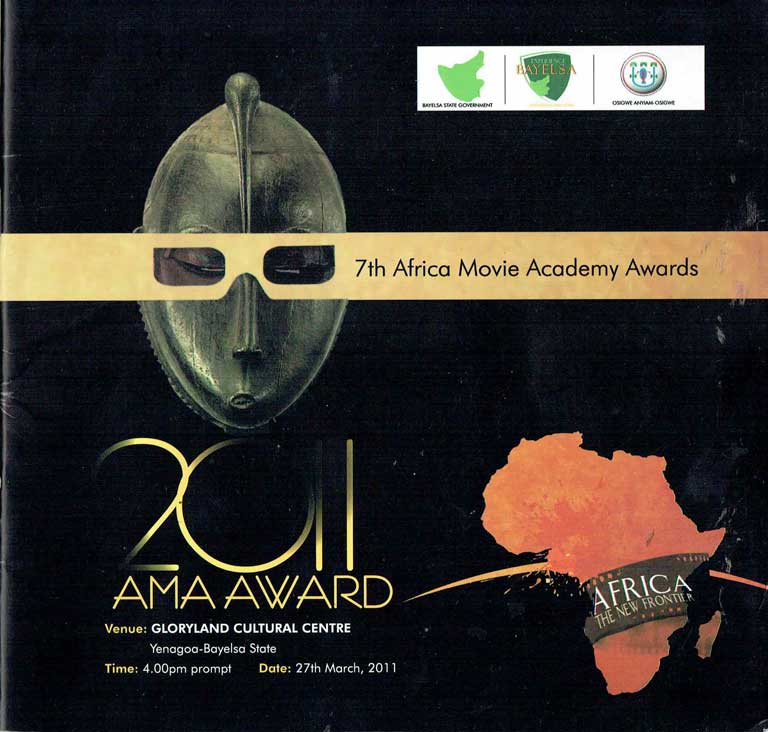
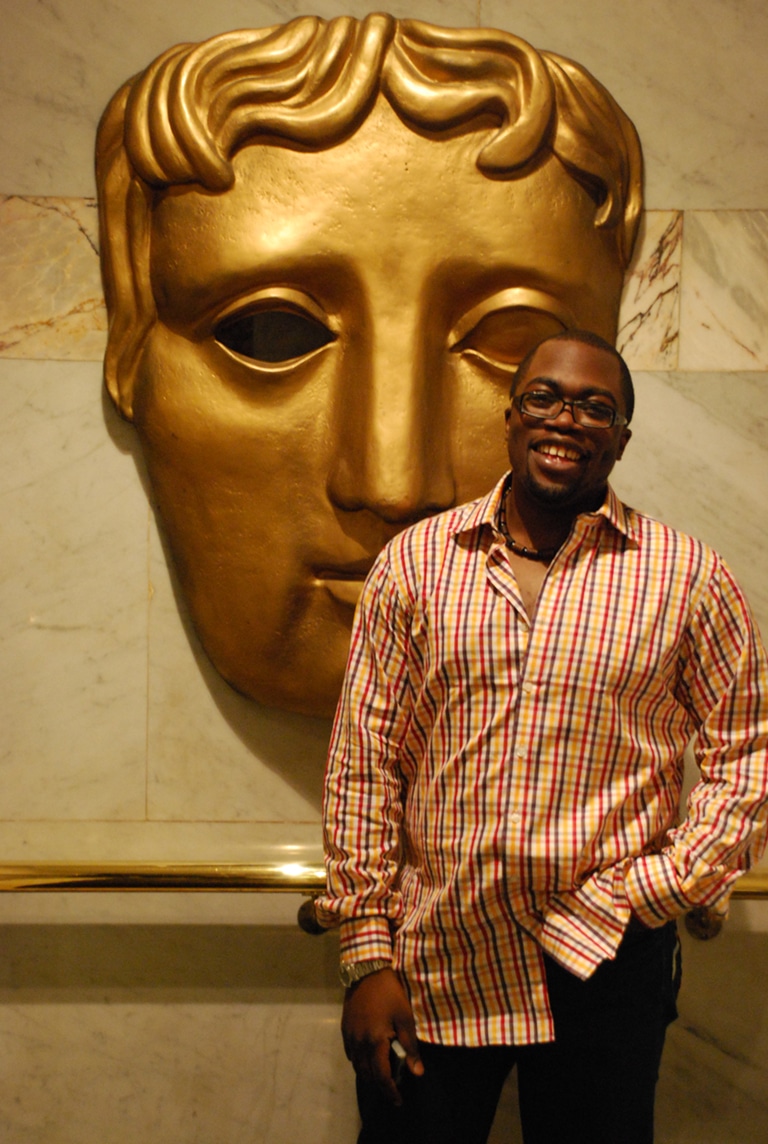
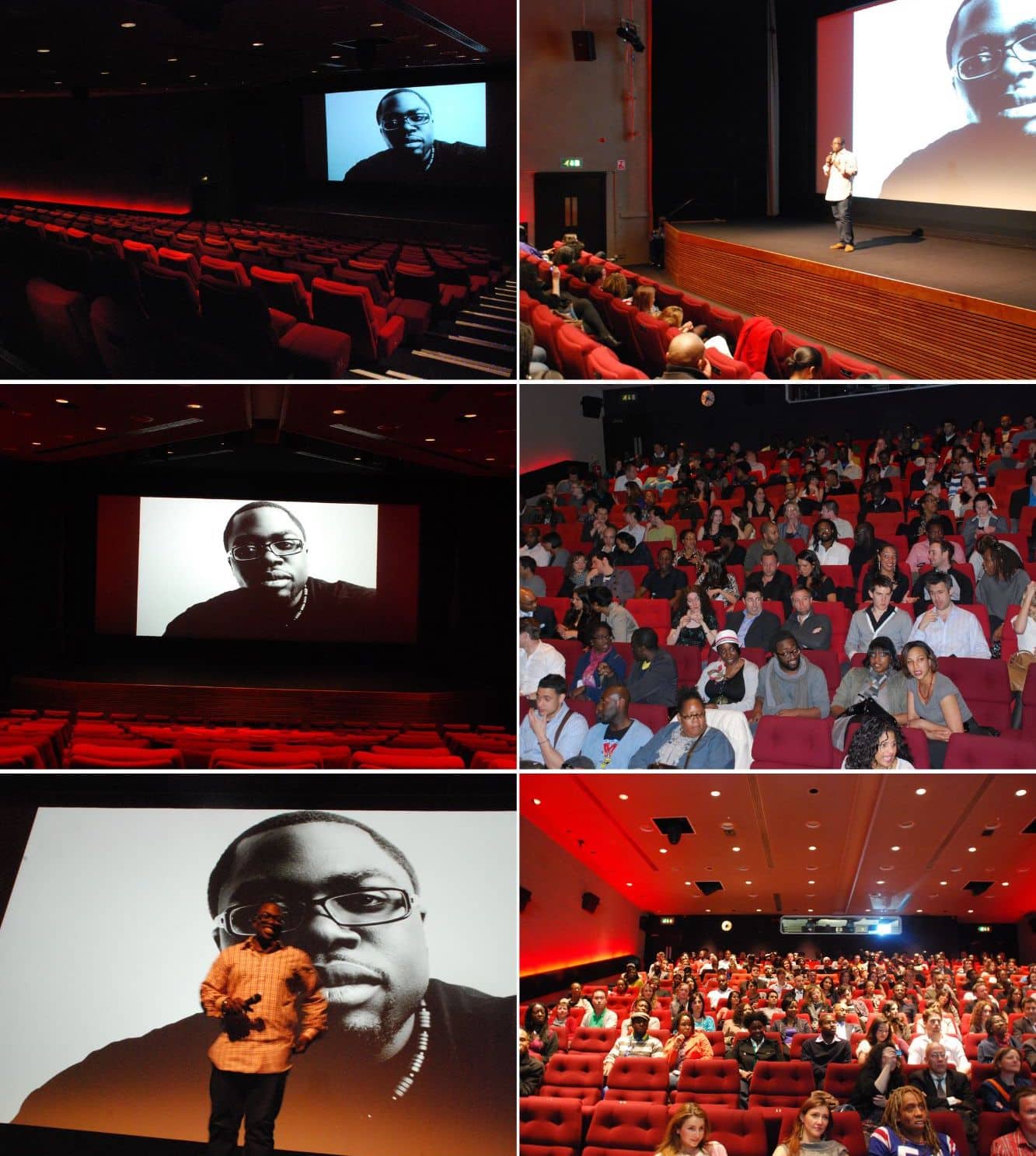
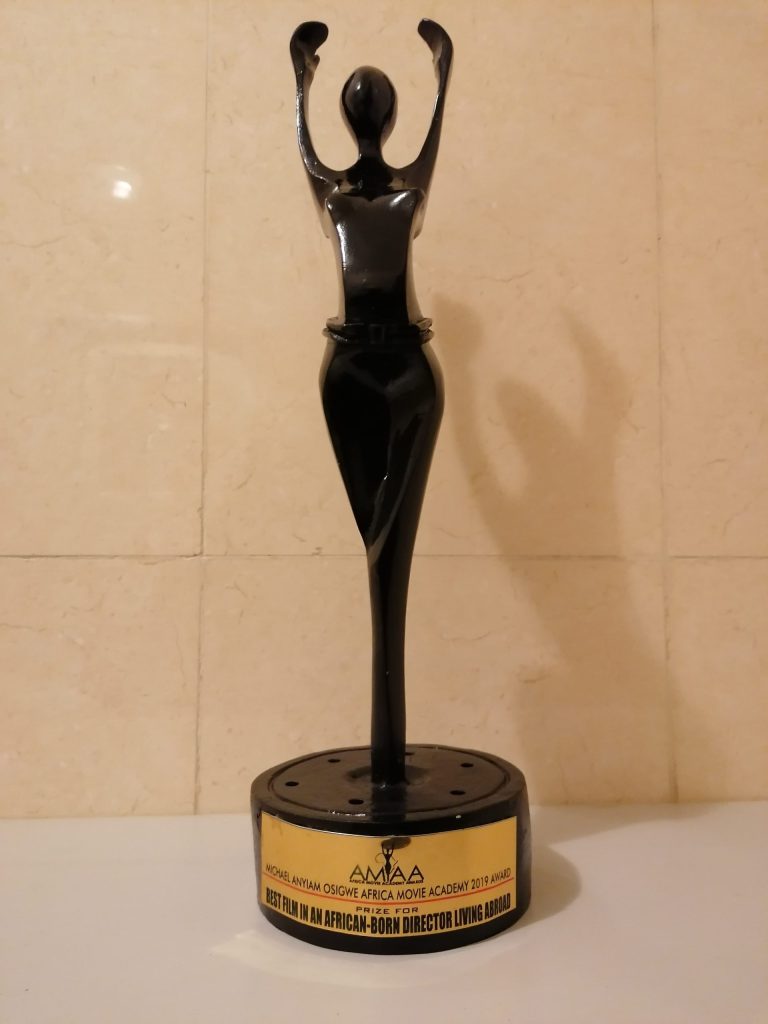
Recognition on the global stage continued at the African Movie Academy Awards (AMAA) in Bayelsa, Nigeria, where Julius was honored with the award for Best Diaspora Short Film. The year concluded with a high-profile BAFTA Showcase, an evening dedicated to his body of work attended by industry peers and fellow filmmakers, celebrating his rising influence in British cinema.
2011
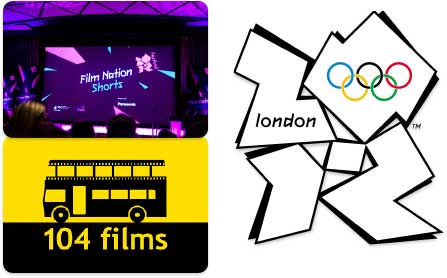
Beyond the director’s chair, 2011 highlighted Julius’s influence as a cultural leader. He was named one of the UK’s Top 100 Future Leaders by the Powerlist, a testament to his professional trajectory. This commitment to leadership extended to the London 2012 Summer Olympics legacy programme, where he spearheaded directing workshops to mentor and support the next generation of emerging filmmakers.
GLOBAL PRESENCE
2011
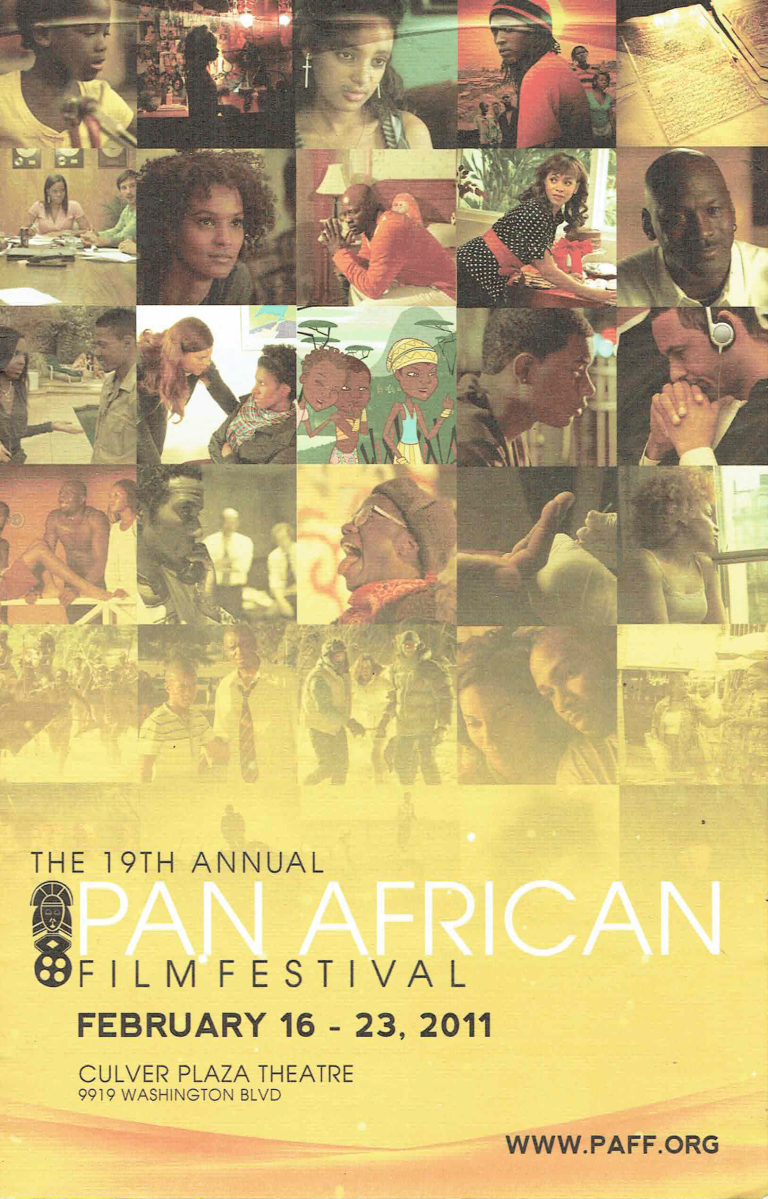
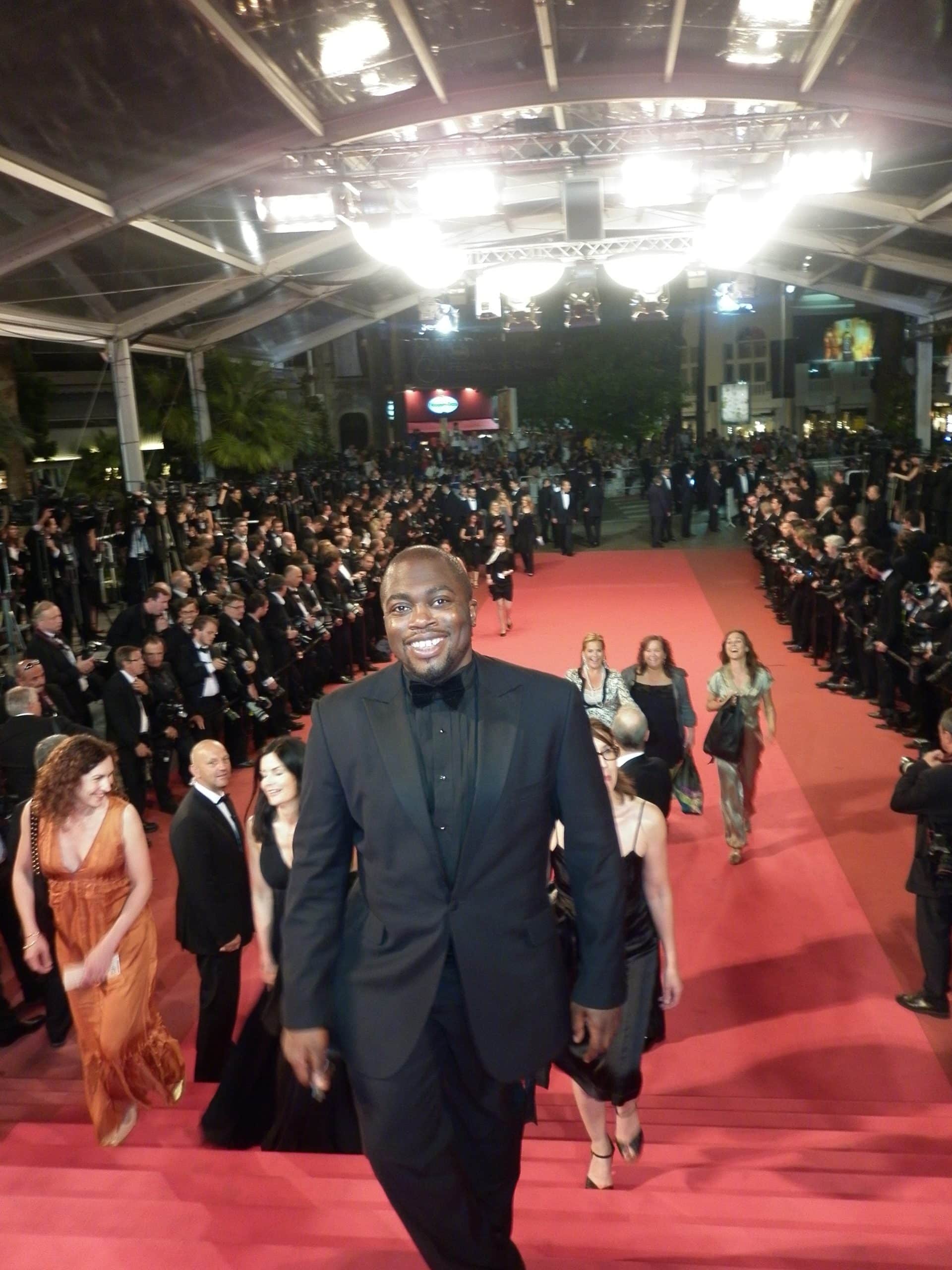
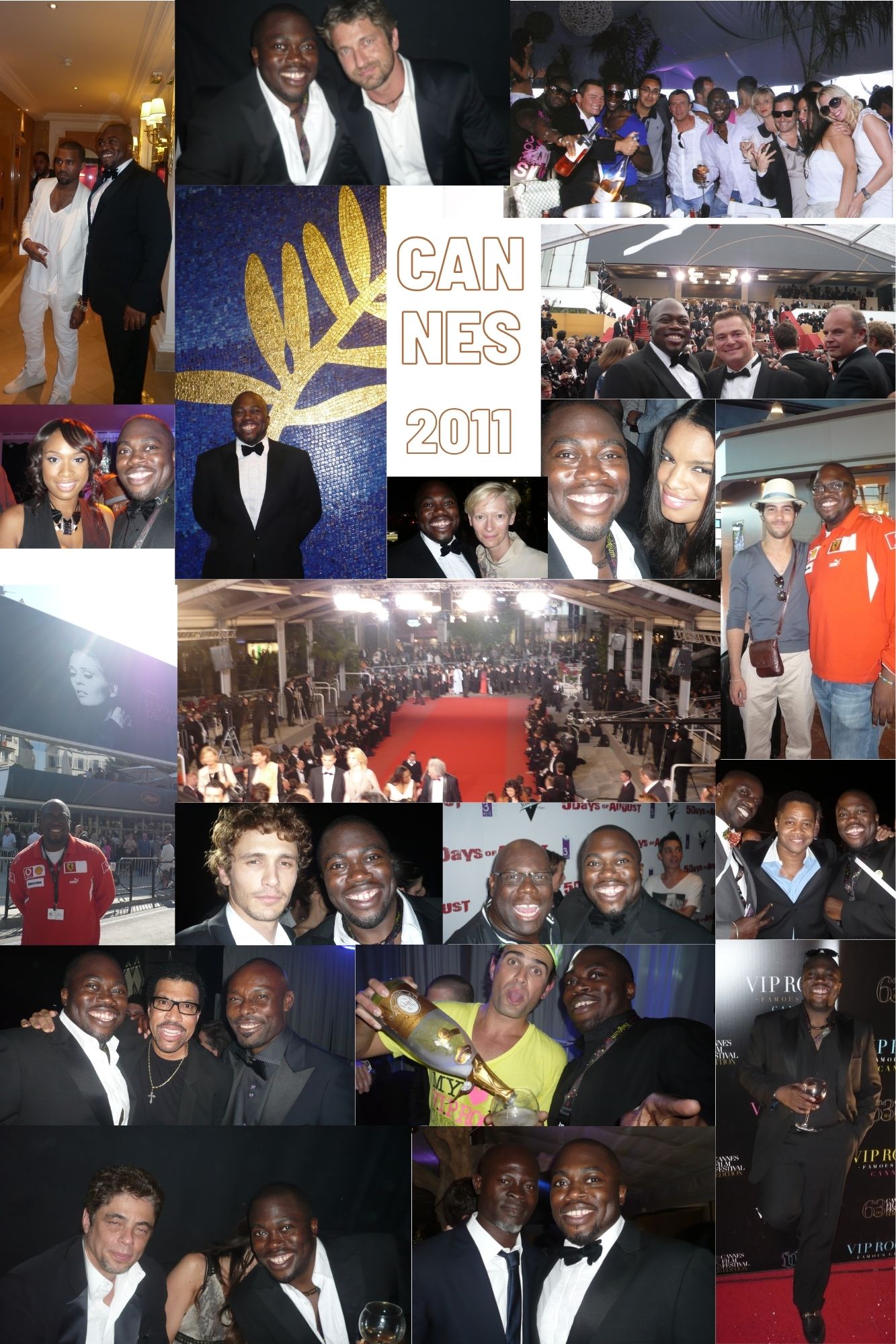
The festival circuit further amplified his reach, starting with a comprehensive Pan African Film Festival (PAFF) showcase of four of his short films, including Precipice, which received the prestigious Board of Directors Award. This momentum carried through to the Cannes Film Festival, where he was hosted among global cinema voices, continuing to build the strategic relationships that define his international career.
TELEVISION & DIRECTORIAL EXPANSION
2012 – 2014
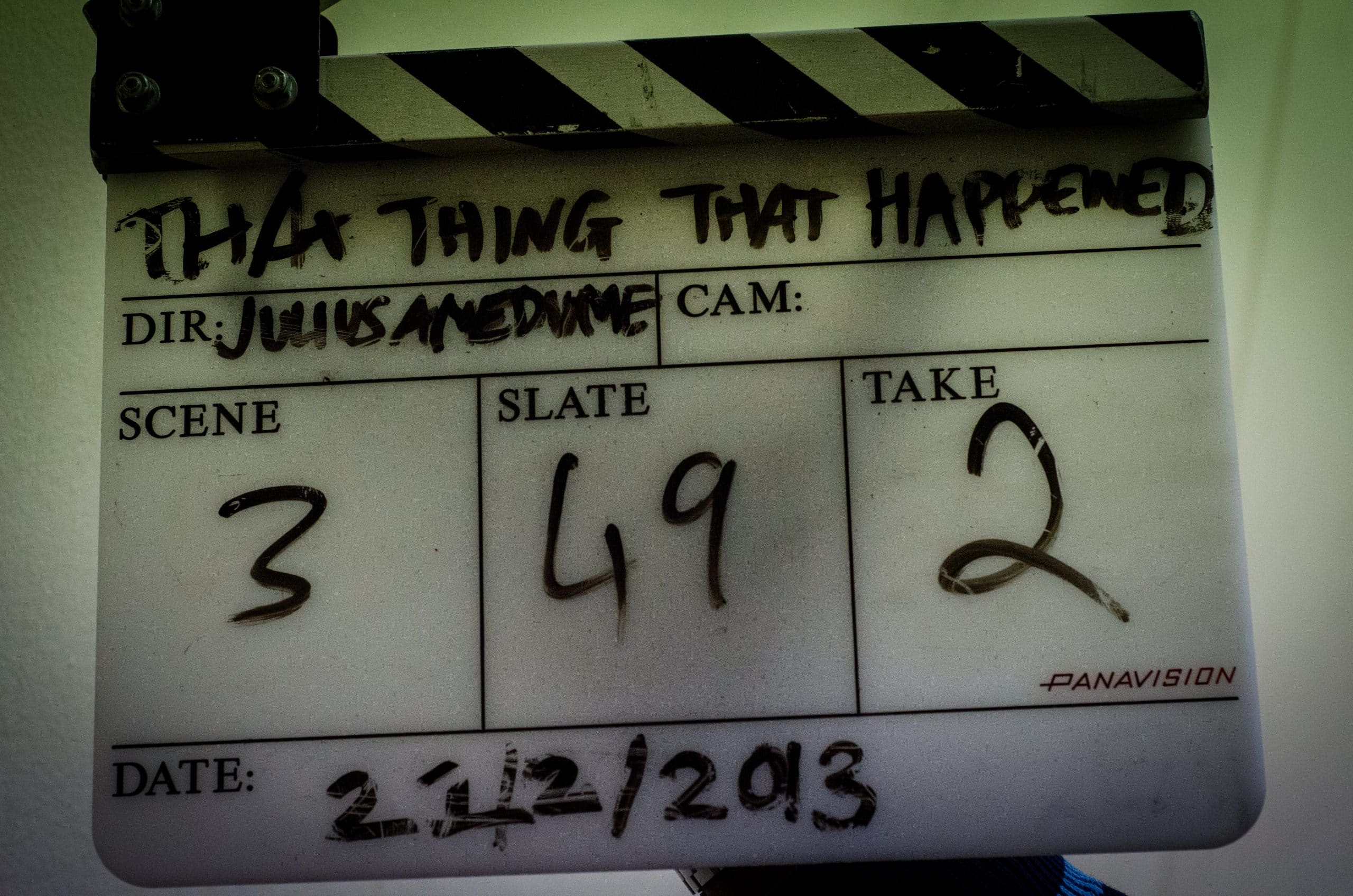
Expanding his directorial reach, Julius transitioned into high-end television and industry leadership. He directed multiple episodes of the long-running BBC series Doctors and collaborated with Kudos Productions to co-write and direct the post-apocalyptic comedy pilot That Thing That Happened.
Parallel to his directing work, he served as a juror for the Africa International Film Festival (AFRIFF), helping to shape the standards for the next generation of short-form storytelling.
FUTURE MEDIA: VISUAL PERCEPTIVE STORYTELLING
2015 – 2017
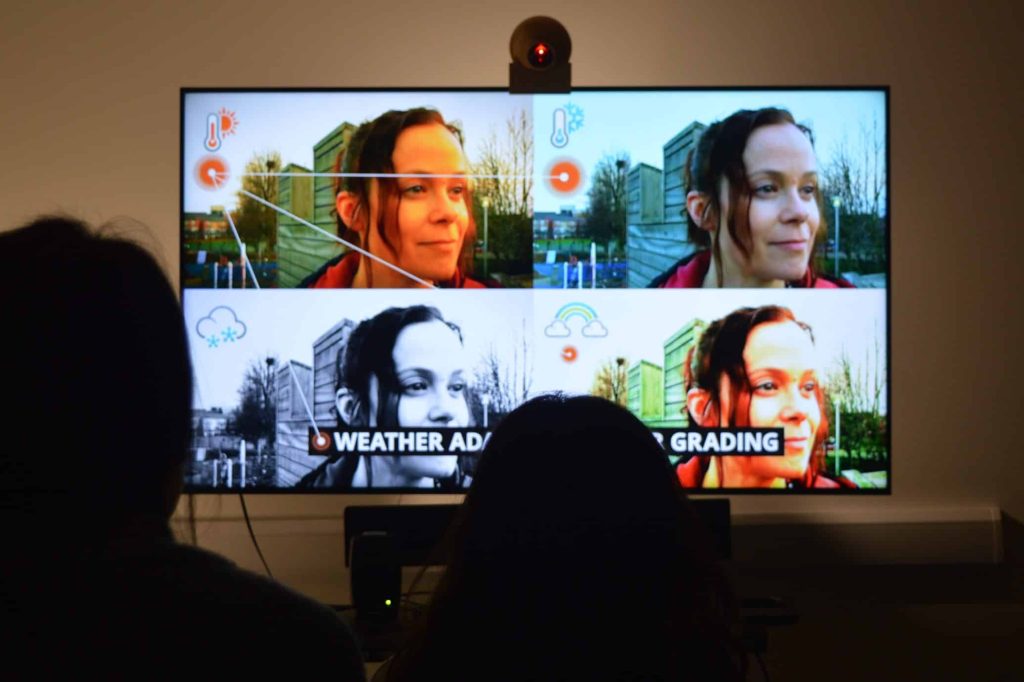
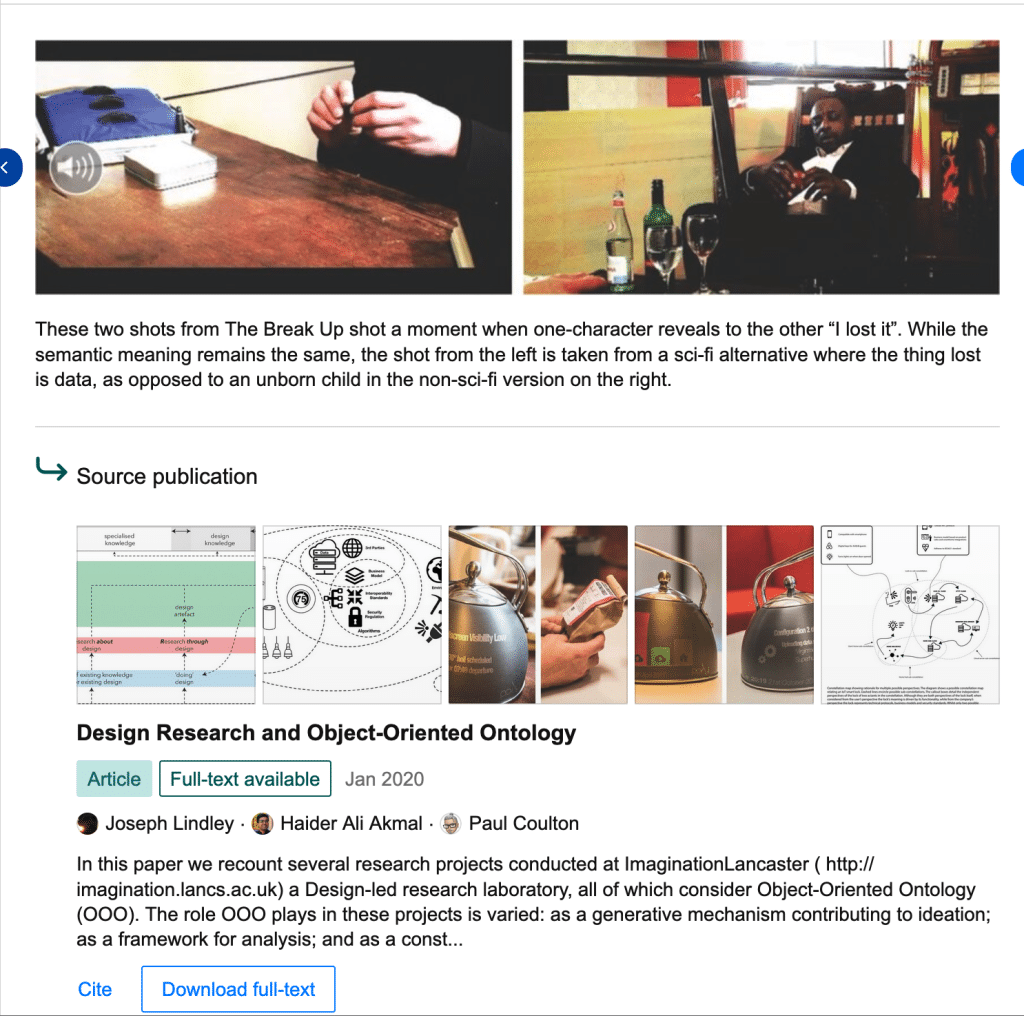
In a landmark collaboration with BBC Research & Development, Julius pioneered Visual Perceptive Media—a new frontier of adaptive storytelling. By integrating sensors and AI, he created narratives that evolved based on the viewer’s personal profile, effectively changing the film’s tone and music to match the audience.
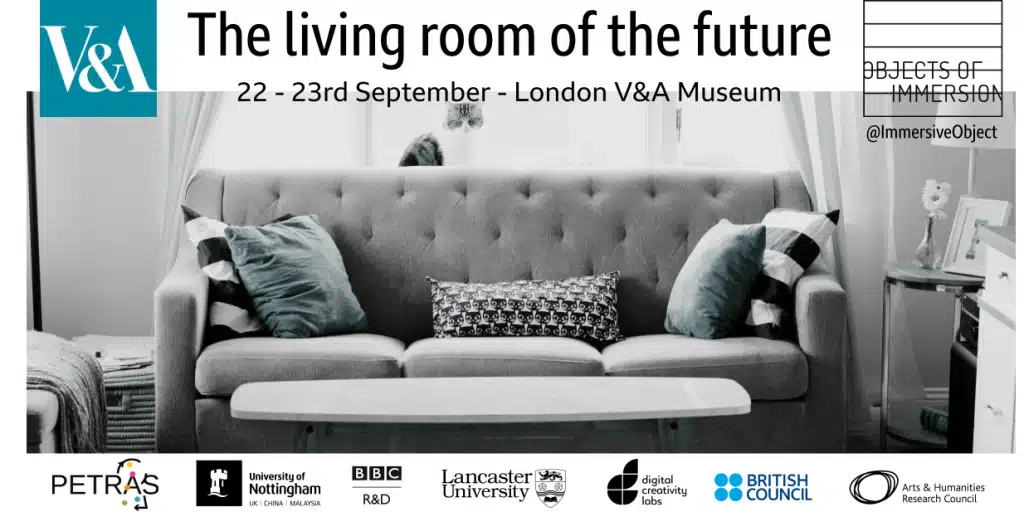
THE LIVING ROOM OF THE FUTURE
2017 – 2024
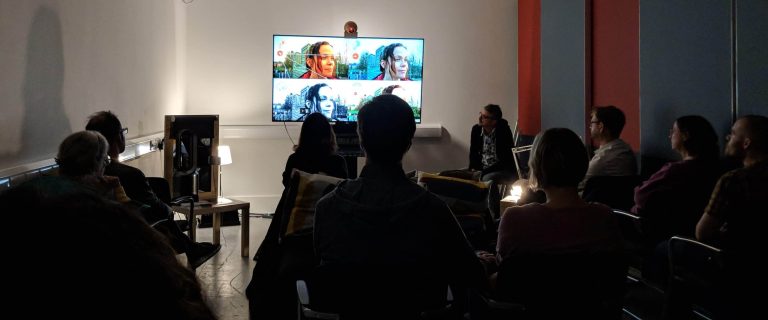
This innovative work moved from the laboratory to public installations at the Victoria and Albert Museum. Designed by researchers from Lancaster University and the University of Nottingham, the project explored how emerging technology and connected devices shape everyday life.
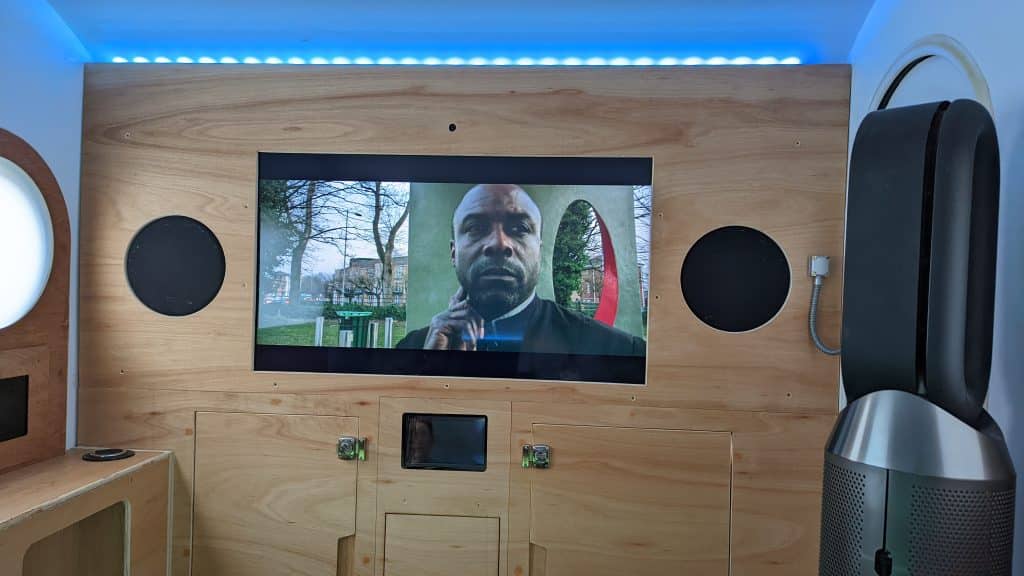
The technology was later housed inside a caravan, touring the UK as the “Caravan of the Future.” This mobile installation invited audiences to interact with the intersection of autonomy and tech in a domestic setting.
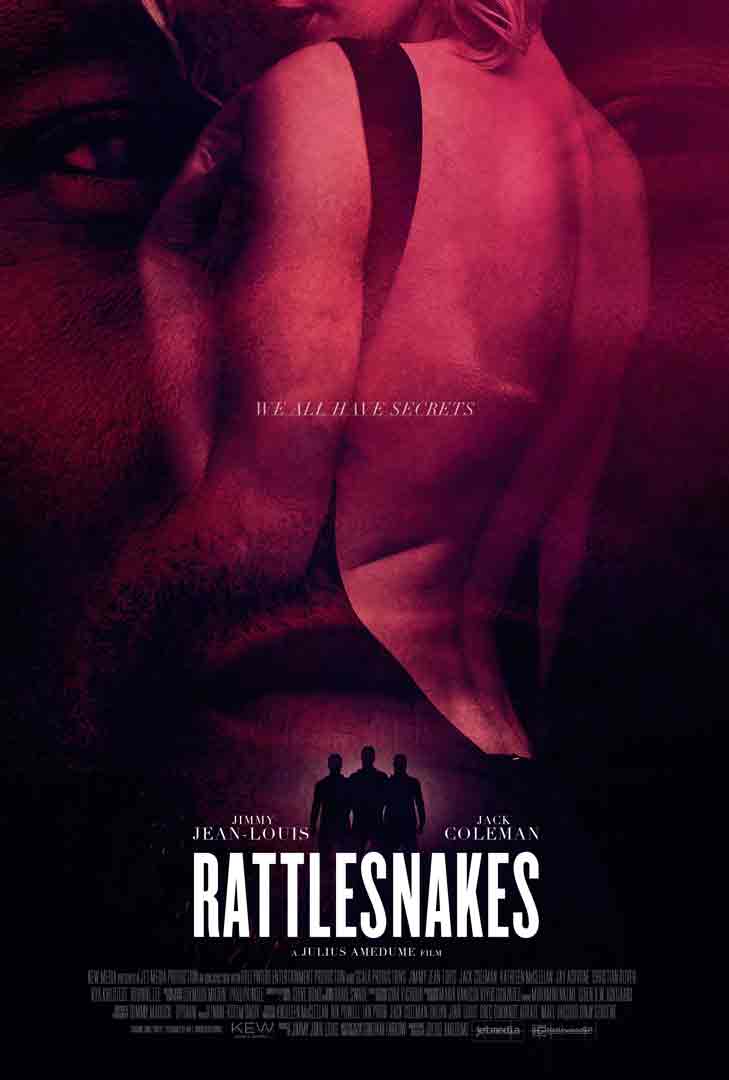
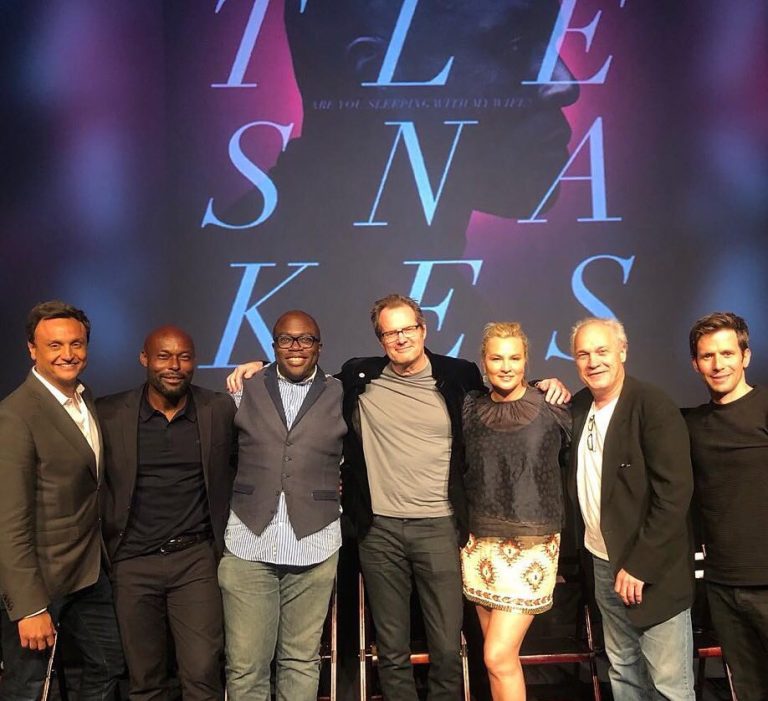
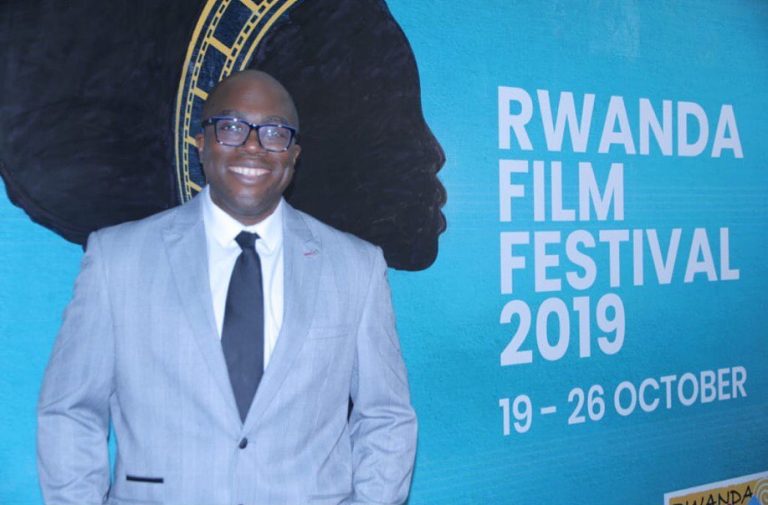
2019 | Rattlesnakes
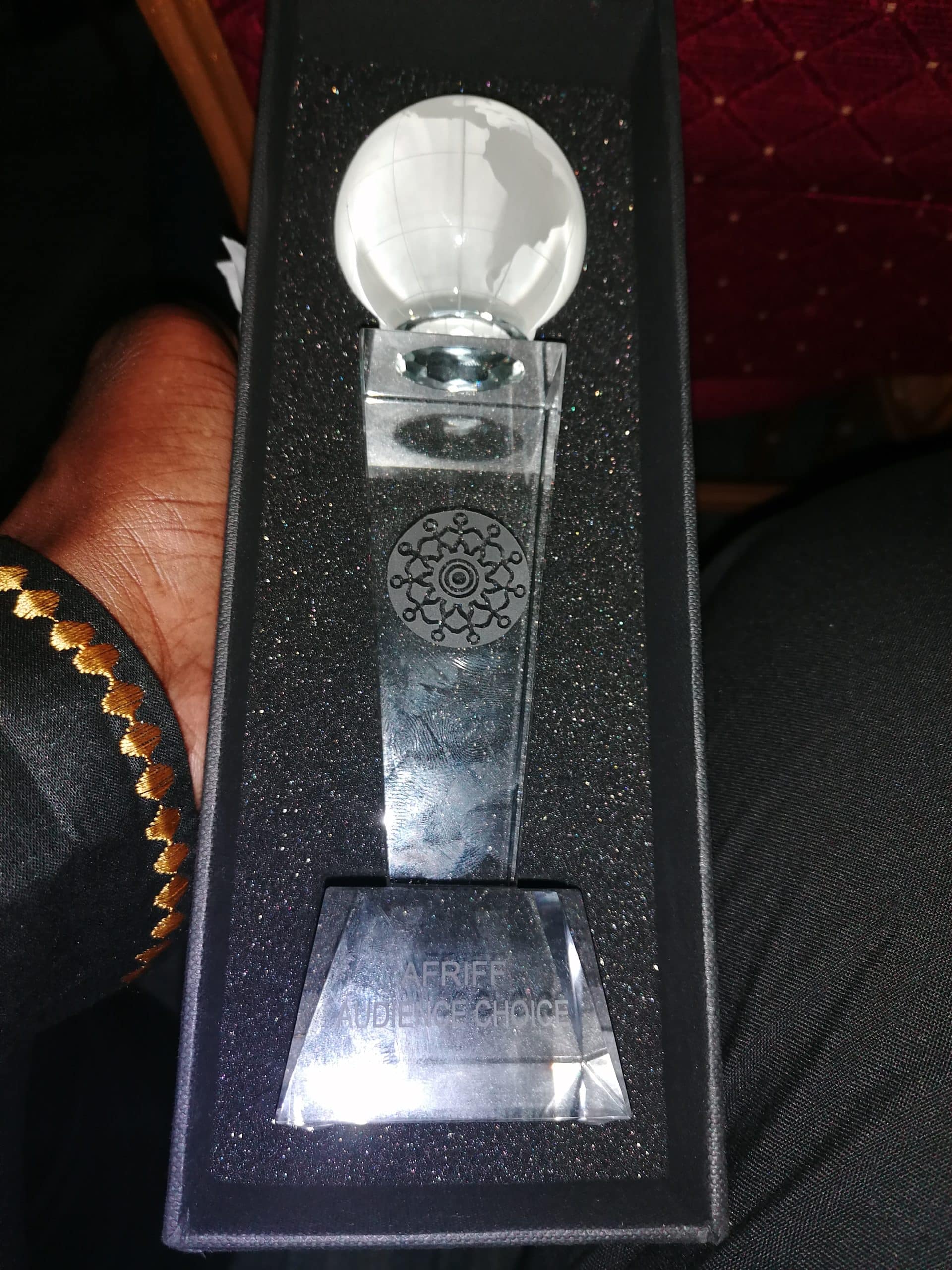
Julius closed the decade by adapting a 22-page stage play into the feature film Rattlesnakes. Shot in just 12 days on a modest budget, the film became a critical success, winning nine awards across 21 film festivals.
THE ACADEMY
2019
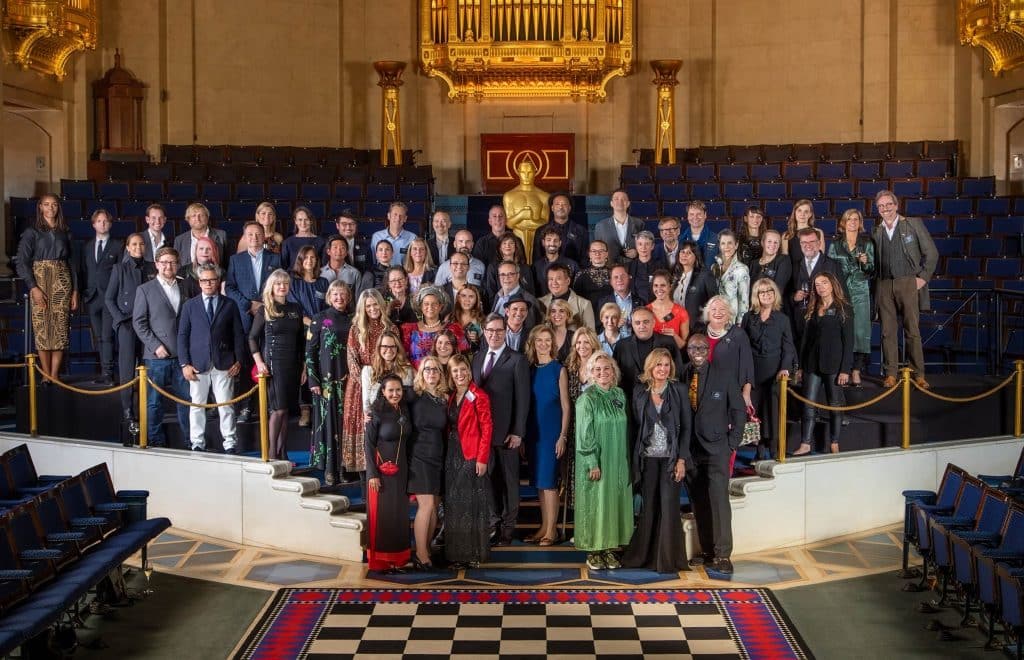
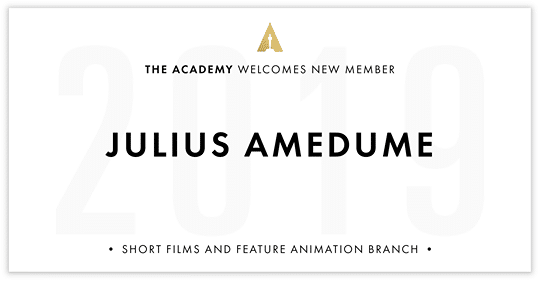
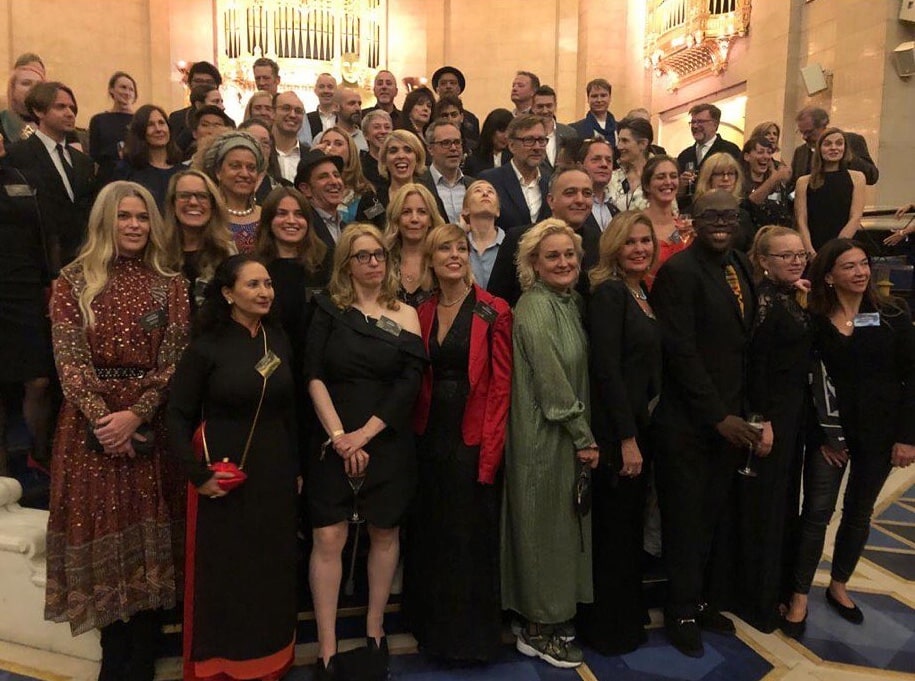
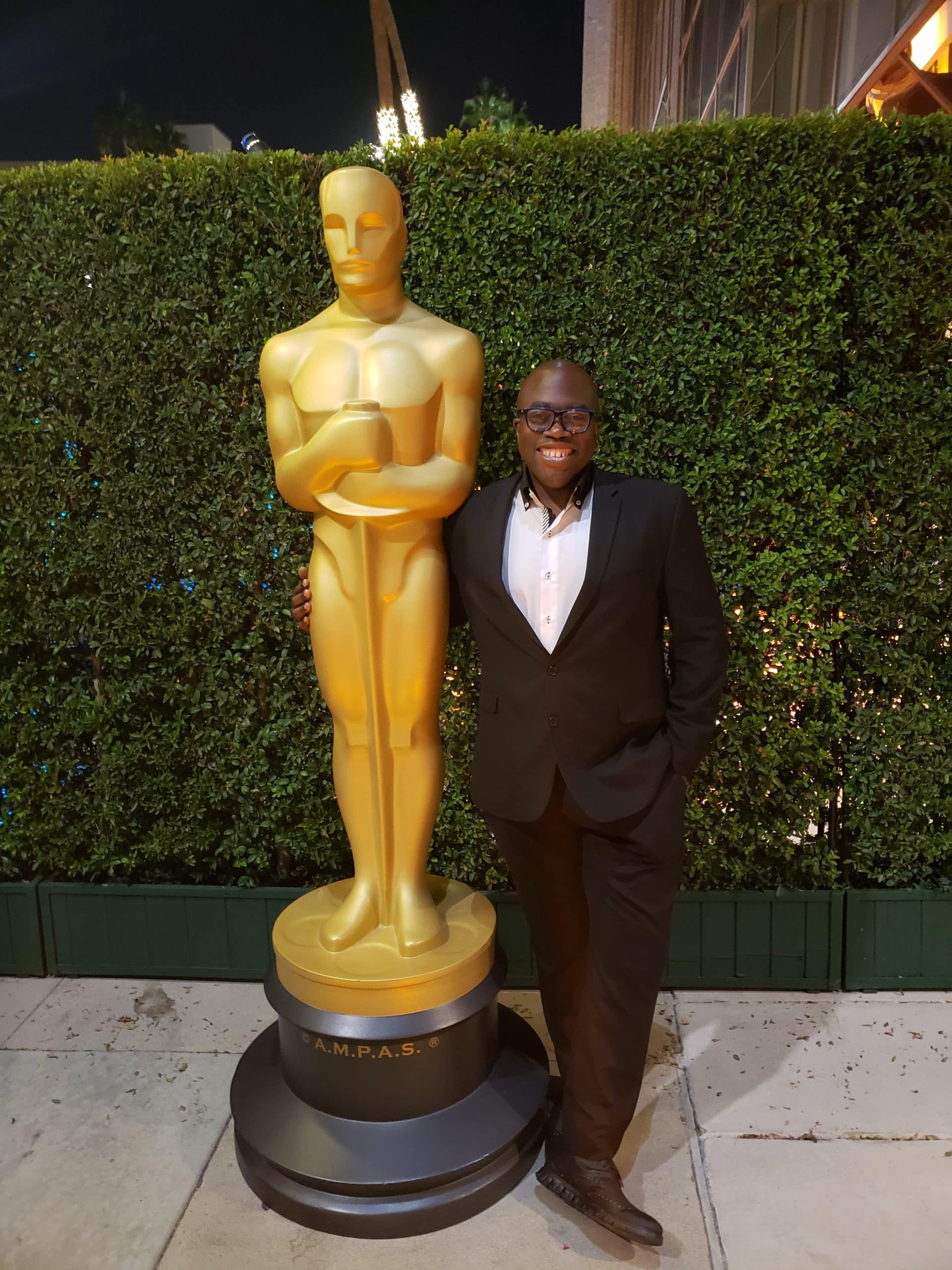
Julius was invited to join theThe Academy of Motion Picture Arts and Sciences short film branch.
2020s
BROADCAST MASTERY & BRAND STORYTELLING
2020–2024
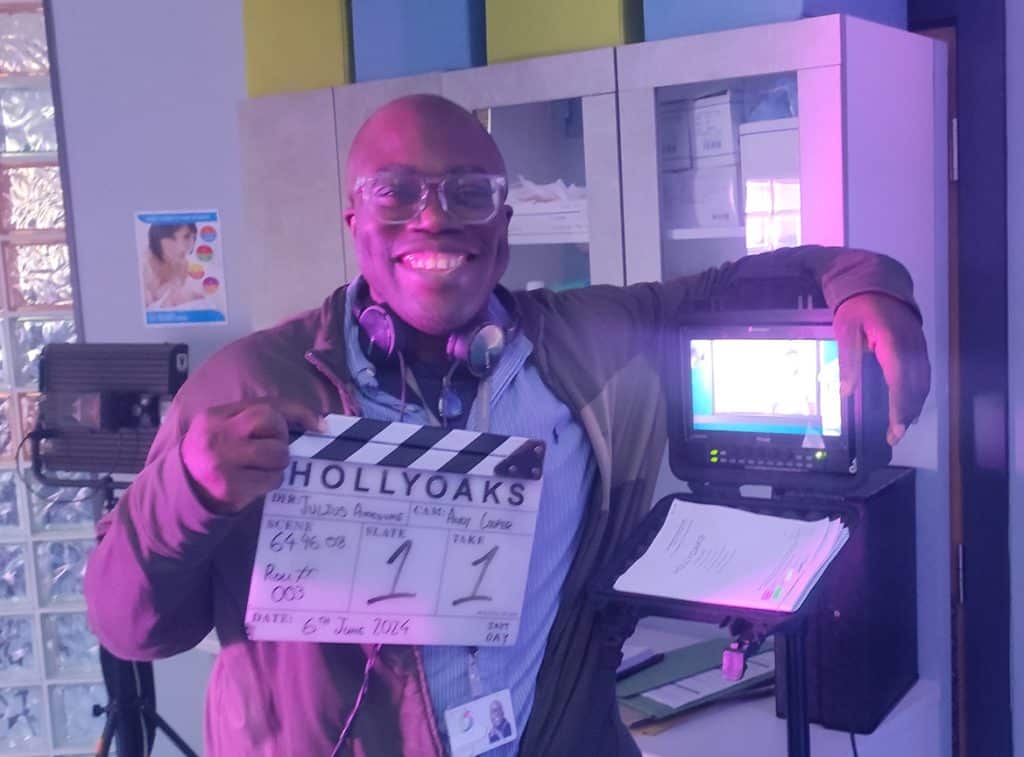
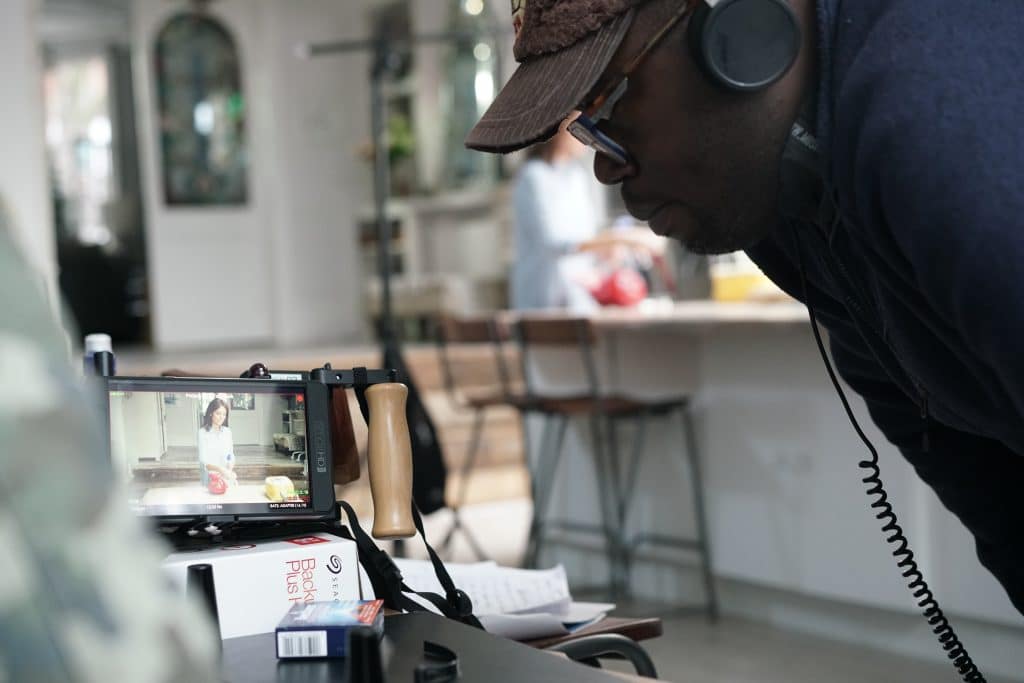
Julius entered the decade maintaining a dual focus on high-volume narrative television and health-focused innovation. He directed multiple blocks of the long-running series Hollyoaks for Channel 4, demonstrating his ability to deliver consistent quality within the demands of major UK broadcasting.
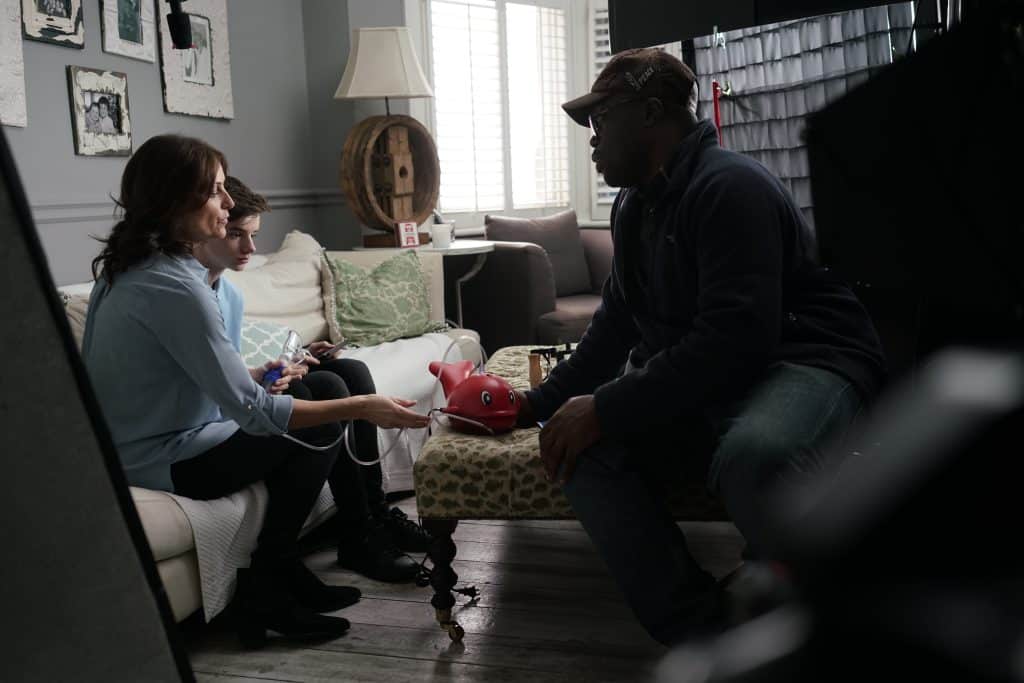
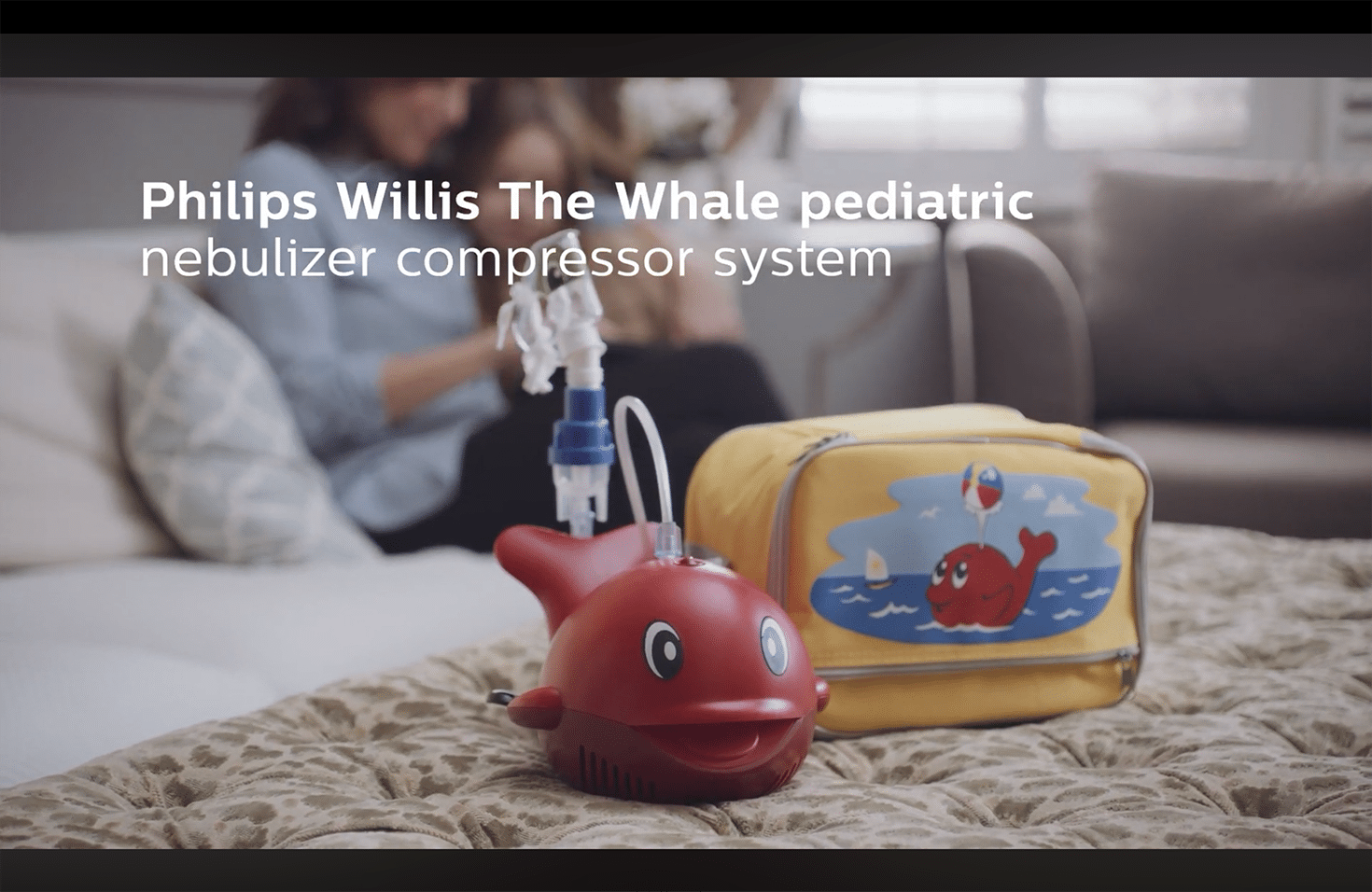
Simultaneously, he applied his storytelling precision to a series of commercials for Philips InnoSpire, bridging the gap between respiratory technology and human-centered engagement.
https://www.youtube.com/watch?v=njRgXOXDdbA&list=PL8489B5C6CE257592
https://www.youtube.com/watch?v=hVLXwwzKbDw&list=PL8489B5C6CE257592&index=2
https://www.youtube.com/watch?v=aLjdy4ysR38&list=PL8489B5C6CE257592&index=3
https://www.youtube.com/watch?v=_zsvA7XJ5E0&list=PL8489B5C6CE257592&index=4
https://www.youtube.com/watch?v=WuKxfAzLlfM&list=PL8489B5C6CE257592&index=5
CHOSEN AFRICA: GLOBAL DEVELOPMENT
2021–2023
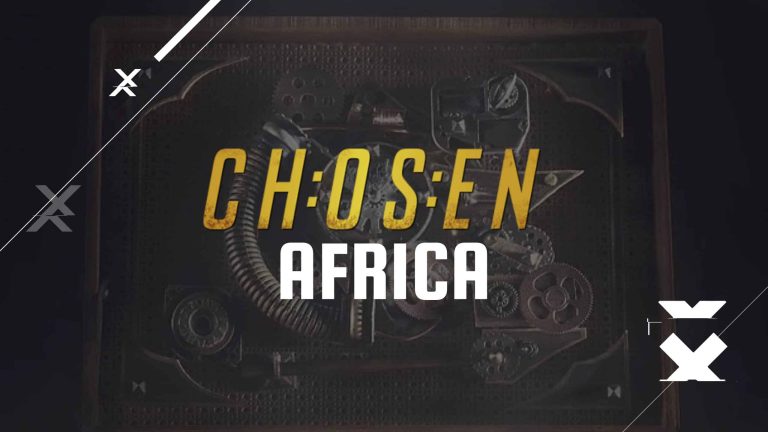
Expanding his relationship with major studios, Julius collaborated with Sony Pictures Television to develop Chosen Africa. Reimagining the high-octane action series originally produced for Crackle, Julius shifted the narrative lens to an African setting. This period of development highlighted his ability to translate established global IP into new cultural contexts, working at the intersection of international studio standards and local authenticity.
COMPLICATED GRIEF & THE ACADEMY
2024–2026
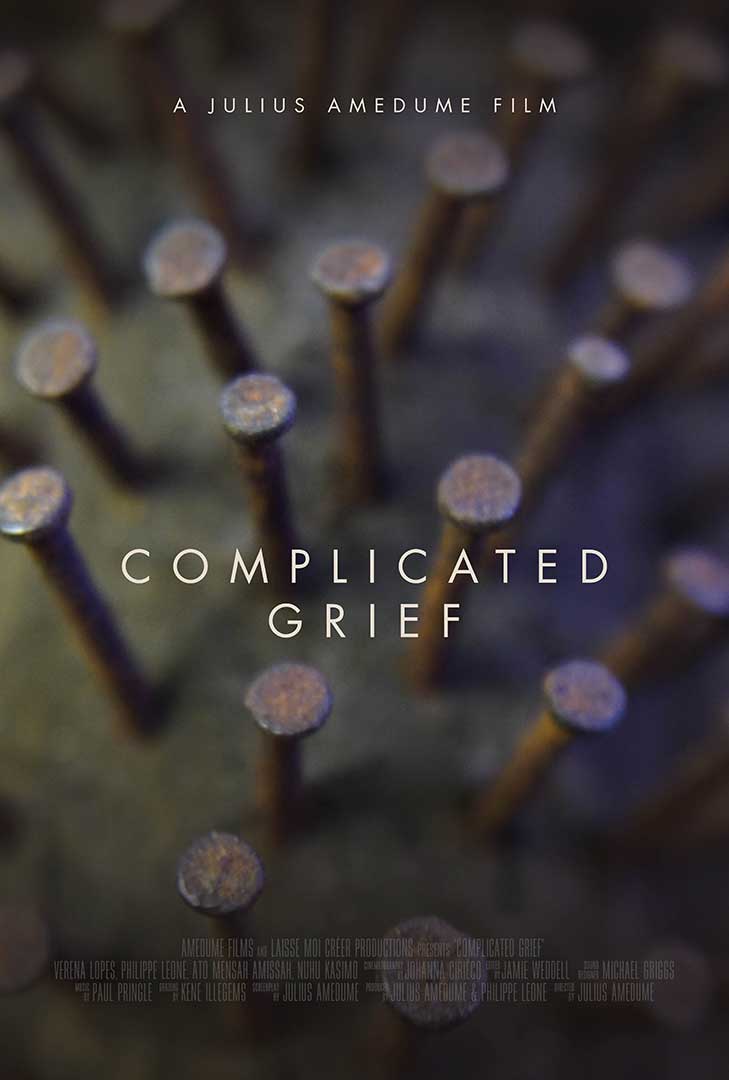
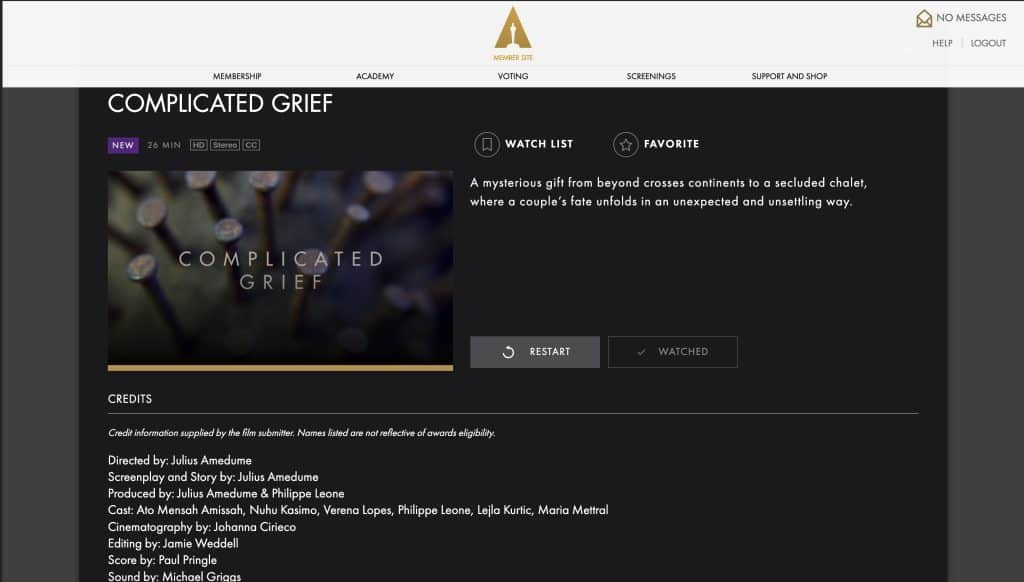
Shot across the contrasting landscapes of Ghana and Switzerland, Complicated Grief represents a return to the “cinema of reckoning” that defines Julius’s career. The film, which follows a mysterious gift across continents to a secluded alpine chalet, The film was honoured with the Ja’Net DuBois Founders Award at the Pan African Film Festival and the Audience Award at Afrobrix.
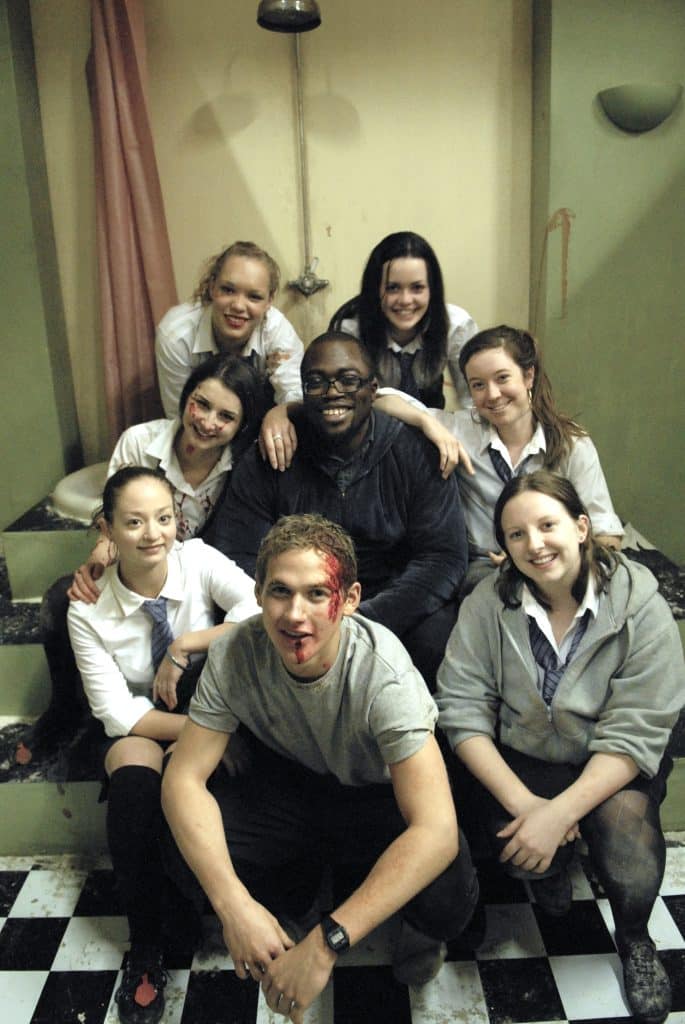
The film also earned a theatrical release at the historic Roxie Cinema in San Francisco, the oldest continuously operating independent cinemas in the United States.
And was also in consideration for the 98th Academy Awards, cementing his status as a leading voice in contemporary independent cinema.